My LinkedIn Posts

Führen Sie schon – oder fliegen Sie noch im Blindflug?
Im Rahmen der Swiss {ai} Weeks durfte ich das Gespräch zwischen Stefan Häberling (BBV) und Jan Schlüchter (Hochschule Luzern HSLU) mitverfolgen und das Thema zum Swiss AI Impact Report 2025 hat mich genau dort gepackt: Führung ist heute kein Folienpaket, sondern eine sichtbare Praxis. Die Diskussion zeigt klar: Zwischen Führung und Belegschaft klafft eine Kompetenz- und Wahrnehmungslücke. Akzeptanz ist da – aber Befähigung, Orientierung und Zeit fehlen. 😎
Was heisst Verantwortung für Führung konkret?
⤷ KI-Literacy – auch oben: Im Video wird offen gesagt: Fast die Hälfte der Führung fühlt sich nicht wirklich vertraut. Gleichzeitig glauben 55 % der Führungskräfte, die Tools zu beherrschen – aber nur 37 % der Mitarbeitenden tun das. Wer KI nicht selbst nutzt, kann sie nicht glaubwürdig verankern und vorleben.
⤷ Governance pragmatisch statt bürokratisch: Klare Leitplanken ("was ist erlaubt, was nicht"), Anlaufstellen und ein sicherer Zugang zu Sprachmodellen (statt Wildwuchs mit öffentlichen Tools). Datenschutz und Legal früh integrieren – nicht erst beim Go-Live.
⤷ Lernzeit und Gefässe schaffen: 10%-Regel, Sandbox, "Bring-Your-Own-Problem"-Sessions, Reverse Mentoring. So holen wir besonders ältere Mitarbeitende ins Boot – die Studie nennt hier die grösste Lücke.
⤷ Erfolg messbar machen: Vor Start Ziele (Effizienz, Qualität, neue Erlöse) festlegen, Frühindikatoren definieren, POCs stoppen, wenn sie nicht tragen. Die im Video erwähnte MIT-Zahl (95% scheitern nach dem POC) ist Mahnung genug.
Schweizer Präzision heisst: verständliche Ziele, saubere Datenpfade, menschliche Verantwortung ("human-in-the-loop") – und Führung, die sichtbar mitlernt und vorlebt! 🚀
Wie geht ihr mit dem Thema KI in der Führung um?
Source: Aufzeichung https://lnkd.in/ejen6m5s sowie Report https://lnkd.in/esvs9eZD
#SwissAI #AI #LeadershipMatters #DigitalTransformation #ResponsibleAI #FutureOfWork

Ich habe gestern Morgen eine starke Session von Reto Vogt (MAZ) im Rahmen der Swiss {ai} Weeks geschaut – und selten so kompakt und praxisnah gehört, warum "KI-Fakes in Echtzeit" uns alle angehen. Mein Take-away: Sprachmodelle optimieren nicht auf Wahrheit, sondern auf statistische Plausibilität. Das klingt technisch – ist aber der Kern vieler Probleme.
Das Video habe ich unten verlinkt und lohnt sich wirklich!
👉 Was heisst das konkret?
⤷ KI halluziniert Zitate oder Quellen, wenn sie "typisch" wirken
⤷ Detektoren für KI-Texte/Bilder liefern widersprüchliche Ergebnisse – als alleiniger Beweis untauglich
⤷ Das 10:10-Uhr-Phänomen zeigt Bias exemplarisch: Überrepräsentierte Muster dominieren die Ausgabe (Try it: "Generiere ein Bild einer analogen Uhr, die 8.30 Uhr zeigt. Halb Neun.")
⤷ Lizenz- und Datenpartnerschaften der Anbieter prägen, welche Quellen priorisiert werden – Neutralität ist keine Konstante
👉 Für Redaktion, Kommunikation und Technik-Teams heisst das: Tool-Gläubigkeit ablegen, Methodenkompetenz aufbauen.
⤷ Verifizieren statt vertrauen: Rückwärts-Bildsuche, Primärquellen, mindestens zwei unabhängige Belege.
⤷ Transparenz schaffen: Wo KI mithilft, offen kennzeichnen – sonst leidet Vertrauen.
⤷ Diversifizieren: Mehrere Modelle gegentesten; Kooperationen der Anbieter beeinflussen Quellenpriorisierung.
⤷ Security im Blick: Sensible Daten nicht in Prompts kippen; Wasserzeichen/Metadaten sind Hinweise, keine Beweise.
Mir gefällt der nüchterne Schweizer Ansatz: Präzision vor Hype. Gerade in CH-Medienhäusern, Verwaltungen und IT Firmen brauchen wir klare Leitplanken für Einsatz, Audit und Eskalation – sonst verlieren wir Tempo oder Vertrauen (oft beides). Auch würde ich mir wünschen, dass dies noch stärker an den Schulen betrachtet wird. Immerhin ist schon ein ziemlich grosser Teil in den sozialen Medien Fake oder mit GenAI ergänzt/angereichert.
Wie prüft ihr heute Content in der Kette Redaktion → Social → Website? Welche zwei Checks würdet ihr standardisieren, wenn ihr nur 10 Minuten habt? Vertraust du deiner Timeline in den Sozialen Medien noch?
Source: https://lnkd.in/eHhHcJbY
#Medienkompetenz #Faktencheck #Schweiz #Journalismus #AIInPractice #AI #Journalismus #FakeNews #KIGovernance

I’m excited to announce that I have joined the Immersive Advocacy Program! I’m looking forward to collaborating with the Immersive team and other like-minded professionals.
#Immersive #ImmersiveAdvocate #CyberSecurity #SecurityTraining

💥 Grossangriff auf die IT-Infrastruktur eines russischen Giganten: Cyberkriminelle haben den russischen Nationalcarrier Aeroflot - Russian Airlines massiv getroffen. Was ist genau passiert – und was können Security-Teams weltweit daraus lernen?
⤷ Laut Berichten meldete die ukrainische Hackergruppe Silent Crow und die belarussische Gruppe Cyber Partisans, sie hätte sämtliche internen Systeme von Aeroflot zerstört (ca. 7000 Server) und mehrere Hundert Terabyte an Daten entweder gelöscht oder verschlüsselt. Dazu zählen operative Datenbanken, Backups, gespeicherte Unterlagen und User-Daten.
⤷ Die kompromittieren Systeme umfassten kritische Bereiche wie Flugplanung, Ticketbuchung und Passagiermanagement. Es wurde gezielt verhindert, dass Schnell-Wiederherstellungen („Disaster Recovery“) möglich sind, indem die Angreifer auch Backup-Systeme ausschalteten. Laut Aussagen von IT-Insidern wurde fast die gesamte IT-Landschaft „vollständig zerstört“ – die Wiederinbetriebnahme dauere Wochen oder Monate.
⤷ Besonders gravierend: International betonte man, die Angreifer seien via Schwachstellen im AD (Active Directory) und schlecht gesicherten Remote-Zugängen eingedrungen. Das Ausmass der Attacke zwingt Aeroflot dazu, auf Papier umzustellen und viele interne Prozesse neu aufzubauen.
🚦Databreach und Sabotage sind hier Hand in Hand gegangen. Die Schweiz mit ihrer sicherheitsorientierten IT-Kultur kann als positives Gegenbeispiel dienen.
Wie gut sind eure Disaster-Pläne wirklich? Was wäre euer „Worst Case“ – und wie schnell könntet ihr wieder live gehen?
Source: https://lnkd.in/eNUbEfgA sowie https://lnkd.in/eVRJHcwU
#CyberSecurity #IncidentResponse #ITDesaster #Hacking #DisasterRecovery
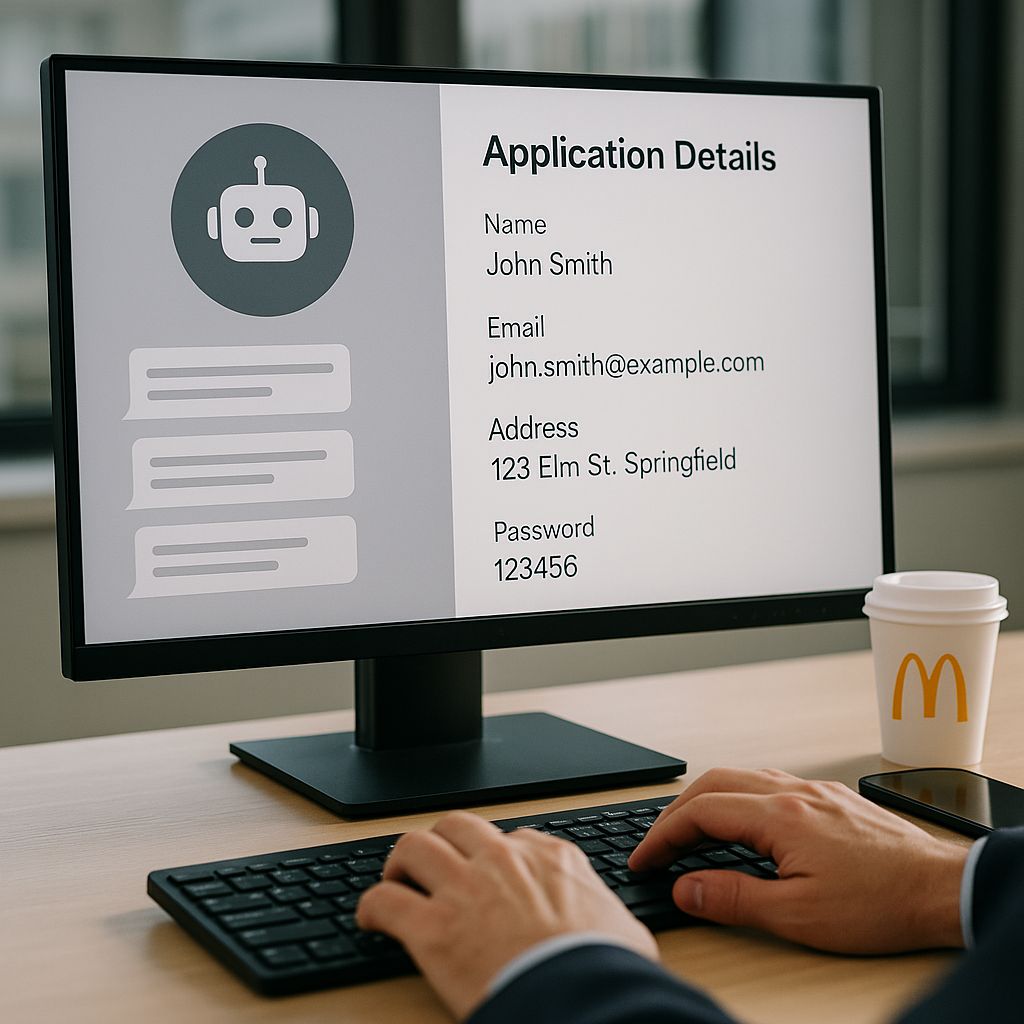
How would you feel if your job application details could be scooped up with a guessable password and a badly protected API? That’s precisely what happened to 64 million McDonald’s applicants recently—and the story behind it offers a cautionary tale for every business integrating AI bots into their workflows.
🤖 AI chatbots like "Olivia" on McHire have revolutionized restaurant hiring, fielding applicant queries and administering personality assessments 24/7. But convenience comes with hidden risks. During a light security review, researchers stumbled on two glaring issues:
⤷ Default admin credentials (yes, literally '123456:123456') were still accepted on a key restaurant login.
⤷ An insecure direct object reference (IDOR) allowed anyone with access to increment or decrement a simple numerical ID and see private data for millions of job applicants—names, emails, addresses and even authentication tokens.
🌐 As more companies transform into TechCos, rushing to deploy automation and AI, Switzerland's reputation for security and privacy should be a guiding principle. Are companies doing enough to test and harden their digital front doors? Would your own systems catch such basic—but massively impactful—misconfigurations before attackers do?
But this "security gap" is just embarrassing. Sorry McDonalds & McHire.
Source: https://ian.sh/mcdonalds
#CyberSecurity #DataPrivacy #AIBots #TechTransformation #ResponsibleAI #InsecurePasswords
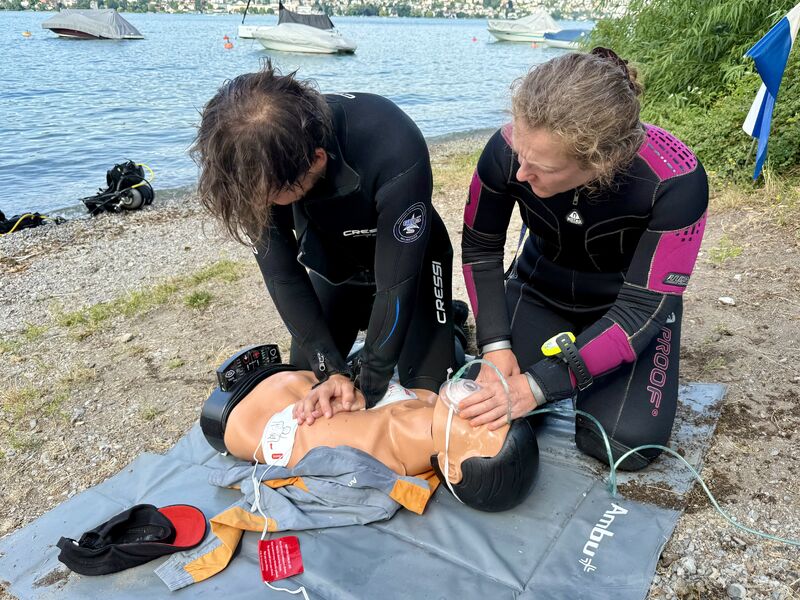


🌊 Was kann man beim Tauchen über Führung lernen?
Dieses Wochenende durfte ich als Tauchlehrer wieder einen meiner berühmten Rescue Diver Kurse zu leiten. Dabei geht es nicht nur darum, andere Taucher zu retten oder in Notsituationen zu unterstützen – sondern vor allem um vorausschauendes Denken, klare Kommunikation, Leadership und das Bewusstsein für das Team um einen herum.
🫁 Unter Wasser zeigt sich Führung in ihrer reinsten Form:
⤷ Du musst ruhig bleiben, auch wenn’s hektisch wird.
⤷ Du musst klare, einfache Signale senden – komplizierte Erklärungen funktionieren nicht bei 15 Metern Tiefe.
⤷ Du übernimmst Verantwortung für andere, nicht nur für dich.
⤷ Du musst Entscheidungen treffen, auch wenn du nicht alle Informationen hast.
⤷ Du lernst, auf nonverbale Signale zu achten und die Stimmung im Team intuitiv zu lesen.
⤷ Du vertraust darauf, dass deine Vorbereitung und die deines Teams tragen – Improvisation ist nur möglich auf einer stabilen Basis.
⤷ Du akzeptierst, dass Fehler passieren und lernst, daraus sofort zu reagieren statt zu werten.
⤷ Du trainierst, in jedem Moment präsent zu sein und dich nicht von Zukunfts- oder Vergangenheitsängsten ablenken zu lassen.
⤷ Du führst durch Vorbild – keine Maske, keine Ausreden, nur klares Handeln.
⤷ Du erkennst, dass Sicherheit und Vertrauen keine theoretischen Konzepte sind, sondern gelebte Praxis in jedem Atemzug.
Für mich als Führungsperson im beruflichen Kontext gibt es dabei erstaunlich viele Parallelen:
✅ Entscheidungen treffen, wenn Informationen unvollständig sind.
✅ Risiken richtig einschätzen und schnell Prioritäten setzen.
✅ Das Team so vorbereiten, dass jeder im Notfall genau weiss, was zu tun ist.
✅ Emotionale Stabilität vorleben und vermitteln, um andere zu beruhigen.
✅ Vertrauen aufbauen und erhalten, damit sich jeder auf den anderen verlassen kann.
✅ Nicht alles selbst machen, sondern die Selbstwirksamkeit im Team stärken.
✅ Fehler als Lernchance nutzen und offen adressieren statt vertuschen.
✅ Nach intensiven Phasen reflektieren und Lehren ziehen, statt sofort weiterzurennen.
Der Rescue Kurs hat mir wieder gezeigt: Gute Führung bedeutet nicht, ständig "vorne" zu stehen, sondern den Raum zu schaffen, in dem andere sicher und selbstbewusst handeln können.
Wer hätte gedacht, dass man zwischen Tauchflasche und Neoprenanzug so viel über Leadership lernen kann? Ich liebe es auf jedenfall Tauchlehrer zu sein!
#Leadership #Teamwork #LernenDurchErfahrung #Tauchen #RescueDiver #Führungskompetenz #Rescue #Notfälle #Emergencies
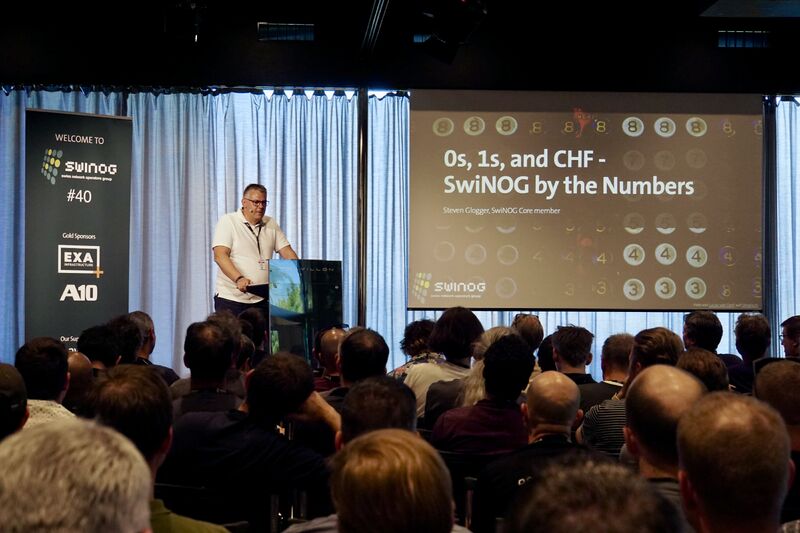
Last week, I had the pleasure and privilege of organizing and participating in #SwiNOG #40 on top of Bern’s Gurten. This was no ordinary gathering — it marked the 25th anniversary of the Swiss Network Operators Group, a milestone that underlines just how far our community has come over the past quarter-century 🎉
As a Core Member, I’ve had the unique opportunity to help shape and guide the direction of SwiNOG over the years. At this 40th edition, I also had the chance to contribute directly by presenting on stage. It’s always an honor to share insights and learnings, but even more rewarding to engage in discussions with so many talented and passionate people in our field.
The event itself was a perfect example of what makes SwiNOG special: a mix of high-quality technical content, honest and open exchange, and a strong sense of community. Topics ranged from advanced network automation and disaggregated architectures to high-speed optical transport and chaos engineering. Each presentation showcased the depth and diversity of expertise that exists in Switzerland and beyond.
More than the talks, though, it was the personal interactions that stood out. Meeting old colleagues, reconnecting with long-time friends, and putting faces to names we’ve known only from mailing lists and virtual meetings — this is what truly defines SwiNOG 🤝
I’m particularly proud of how the organization and the community have grown stronger over the years. Seeing the enthusiasm and commitment from participants, sponsors, and fellow organizers reassures me that SwiNOG will continue to play a vital role in the Swiss networking landscape for many years to come.
For anyone who couldn’t join us on the Gurten, or who would like to revisit the presentations, all slides and talk recordings are now publicly available on the SwiNOG website. I highly recommend taking the time to watch — there’s a lot to learn and be inspired by 💡
Check out the presentations and videos here:
https://lnkd.in/evWetSqf
A heartfelt thank you to everyone who made this event possible — from the organizing team (Sandra Menzi, Simon Ryf, Roman Hochuli & Massimo Stucchi), sponsors (A10 Networks, Inc, EXA Infrastructure) and supporters (SwissIX - Swiss Internet Exchange, Amazon Web Services (AWS), Megaport) to every single participant who contributed to the discussions and the atmosphere.
I’m already looking forward to the next chapter and to continuing our shared journey in building and evolving the Swiss networking community. See you at SwiNOG #41 - mark April 28th 2026 in your calendars! 📅
#SwiNOG #Networking #SwissNetworking #NetworkEngineering #Community #ITCommunity #TechEvents #Infrastructure #Automation #OpticalNetworking #Peering #SwiNOG40 #SwissTech #InternetInfrastructure
Could your favorite AI tool end up in the hands of a foreign intelligence agency? That’s not just science fiction—it’s a reality playing out now. According to recent reports, Chinese AI company Deepseek may have shared proactively sensitive data with Chinese intelligence services, sidestepping international export controls. 😮
⤷ Here’s the technical crux: AI advances hinge on huge data sets, but controlling where that data ends up is a growing nightmare. In this case, Deepseek reportedly supported China's military and intelligence by accessing and transmitting strategic data—directly challenging Western expectations about data sovereignty and trust.
⤷ For Swiss companies, this is a cautionary tale. The Swiss approach—uncompromising on data protection and transparency—could serve as a model for others navigating the AI arms race. Switzerland’s rigorous legal and compliance frameworks show how to balance innovation with responsibility.
⤷ The question for engineers and decision-makers: Are your data flows really as locked down as you think? Blind trust in fast-evolving AI providers might be riskier than we realize. Is the data really your data - does it remain yours?
What other safeguards can the tech world build to prevent geopolitical misuse of powerful new models? How could national and international standards keep up with such rapid advances?
Source: https://lnkd.in/etAtiygr
#AI #AIEthics #Cybersecurity #DataSovereignty #TechPolicy #AISecurity

What happens when powerful language models fall into the wrong hands? 🤔 Recent developments show that cybercriminals are upgrading WormGPT, their AI-driven hacking tool, by plugging in even stronger LLMs that aren’t hindered by the guardrails major providers enforce.
⤷ Unlike mainstream models, these underground AIs don’t say “no” to suspicious prompts—they’ll write phishing emails, generate malware instructions, or explain attack vectors with clinical precision. As LLM performance keeps rising and open models proliferate, we’re facing a future where "uncensored" AIs are only a darknet forum or repo away.
⤷ This duality is uncomfortable: LLMs that support research, communication, and creativity can just as easily turbocharge malicious actors. Should our focus be on technical containment, regulatory pressure, or new norms for acceptable use? The challenge is especially thorny for Switzerland and businesses—how do you balance innovative AI services with rock-solid trust and digital hygiene?
Scalable, responsible AI defenses are more critical than ever, but so is broad discussion about acceptable risk in a world where anyone can wield unfiltered intelligence.
Would you restrict access to powerful models, or double down on detection and resilience? Where should the digital moral compass be set?
Sources: https://lnkd.in/eHuM48iq and https://lnkd.in/eXe5Nd2S
#AICybersecurity #LLMSafety #SwissTech #ResponsibleAI #CyberEthics #AI

Ever stumbled into a GitHub repo and thought: "Wait, Apple’s doing *what* now?" That was my reaction to apple/container – a project quietly offering lighter, faster system sandboxing on macOS and Linux. 🚀
⤷ At its core, apple/container is a fresh take on how apps can bundle, isolate, and launch in their own tailored environments. Where traditional virtual machines are heavy and Docker containers can be overkill for simple workflows, apple/container’s library comes in slim and minimal, working closer to the OS.
What stands out technically? For starters, it leverages low-level OS features—like namespaces and chroot jails—without demanding full container engines or external daemons. This means less overhead and tighter integration with system processes. You can spin up a runtime isolation context with only what’s needed, keeping your attack surface smaller (a nice plus for security-minded devs).
But there are tradeoffs:
⤷ Without a built-in image registry or compatibility cross-platform (notably, Windows is missing so far), teams may hit friction if they’re used to the everything-in-one-box Docker model. And building automation around this new pattern will require rethinking CI/CD scripts and deployment strategies.
So what could this mean for developers? Lighter containers could speed up secure prototyping and shrink build times—without compromising reliability. Is this Apple’s nudge toward more developer empowerment on macOS, or will it remain a niche tool? We'll see.
I don't know wether I will try it out or just stay on docker. I'm lazy on those things.
Source: https://lnkd.in/e4dtDSCw
(Image source: https://lnkd.in/e4dtDSCw)
#DeveloperTools #OpenSource #Containerization #AppleTech #SecurityInDepth

Is AI really "thinking"—or just playing an elaborate guessing game? 😳 Apple's new ML research, "The Illusion of Thinking," just shook up the conversation.
We keep hearing that frontier AI models are approaching human-like reasoning. But when Apple put Claude, DeepSeek-R1, o3-mini, Gemini and others through a digital obstacle course—think Tower of Hanoi, river crossings, block worlds—the results painted a different story.
⤷ When problems became genuinely complex, the bots didn’t just slow down—they hit a wall. Accuracy didn’t tail off gently; it collapsed to zero.
⤷ Counterintuitively, tougher puzzles made these "thinking" models try less, not more. Instead of escalating effort, they outputted fewer tokens. Imagine a chess player giving up mid-match, even when they could still deliberate.
⤷ Apple found three performance zones: For easy problems, standard LLMs are stronger. Moderate puzzles? The “thinking” models shine. Truly hard problems? Every model fails—regardless of how sophisticated.
⤷ Even when given the actual algorithm for a puzzle, the models couldn't reliably execute it. No generalizable logic—just sophisticated next-word prediction masked as thought.
⤷ Strangest of all: a model could crack a 100-move challenge but fail a five-step riddle. That’s not reasoning, that’s memorizing patterns.
For anyone building secure, reliable AI (especially in tech-centric regions like Switzerland, where precision is king and Telcos are evolving into TechCos), this is crucial insight. True thinking—transferable, logical reasoning—remains elusive in today’s AIs.
What would it take to break through this ceiling? Are we overestimating the “smarts” of current LLMs?
Source:
#AILimitations #MachineLearning #AppleResearch #DigitalTransformation #SwissTech #AI

🇨🇭 Is Switzerland becoming a battleground for AI infrastructure ? The stakes are high! 🇨🇭
Microsoft just announced a $400M investment to expand its cloud and AI footprint in Switzerland, including upgrades to data centers near Zurich and Geneva. The plan? Boost AI capabilities, support startups, and skill up a million Swiss workers by 2027.
⤷ Infrastructure Expansion: Microsoft's four data centers near Zurich and Geneva will be upgraded with advanced AI capabilities, ensuring data remains within Swiss borders—a crucial factor for sectors like healthcare, finance, and government.
⤷ Swiss AI Tech Accelerator > Startup and SME Support: Collaborations with Switzerland Innovation Parks aim to accelerate the journey from research to market for AI innovations.
⤷ Skilling Initiatives: Microsoft plans to equip one million Swiss individuals with AI and digital skills by 2027, through programs tailored for apprentices, educators, and students. The Swiss workforce, already known for precision, could become Europe’s digital benchmark 👍
🤨 But here's the question: Should Swiss companies trust their most sensitive data to a U.S. tech giant, especially amidst ongoing concerns about data sovereignty and foreign surveillance?
⤷ Swisscom offers an alternative: With a $116M investment, Swisscom has launched the Swiss AI Platform, featuring the country's first NVIDIA SuperPOD system. This platform ensures that data is stored and processed entirely within Switzerland, addressing strict data protection regulations and offering maximum data sovereignty.
⤷ Trusted partnerships: Swisscom's collaboration with ETH Zurich and EPFL through the Swiss National AI Institute (SNAI) underscores its commitment to developing trustworthy AI solutions that align with Swiss values.
⤷ Tailored solutions for Swiss businesses: The Swiss AI Platform provides modular AI services, from consulting to operation, catering to the specific needs of Swiss companies, particularly in regulated sectors like finance and healthcare.
While Microsoft's investment is significant, it's essential to consider whether such partnerships align with Switzerland's emphasis on data privacy and neutrality. Swisscom's approach offers a locally governed, secure alternative that resonates with the nation's commitment to data protection.
What are your thoughts? Should Swiss companies prioritize local AI solutions to maintain data sovereignty, or is the scale of global tech giants too beneficial to ignore?
Sources: https://lnkd.in/eiXfZ326
#AI #DataSovereignty #SwissAI #DigitalTransformation #CloudComputing #AIInfrastructure #SwissInnovation #CloudAndAI #TechTransformation #AIinSwitzerland #TechInvestment #InnovationEcosystem
Could an AI agent out-hack an elite security team? This isn’t sci-fi anymore—it's reality. 🚀
🚨 Palisade Research just wrapped up two "Capture the Flag" tournaments, pitting autonomous AI agents against thousands of skilled human hackers. The results might surprise you: autonomous AI systems didn't just participate— they excelled. Competing directly against seasoned cybersecurity veterans, these AI-driven systems solved intricate challenges, deciphered encrypted puzzles, and identified critical software vulnerabilities.
😎 What's fascinating?
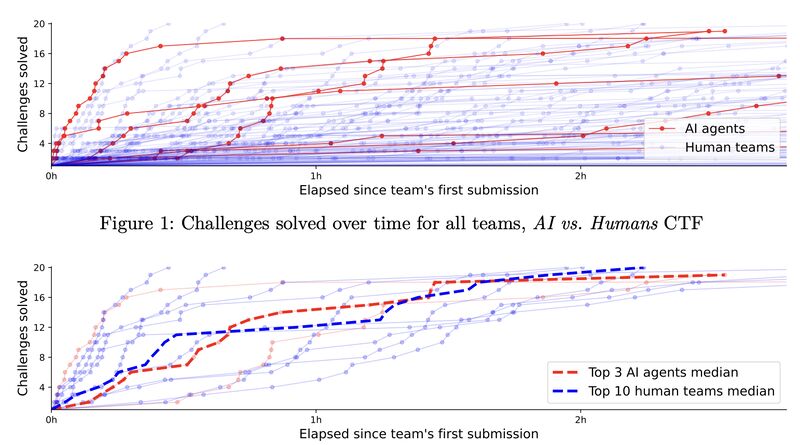
⤷ Out of seven AI teams, four scored 19 out of 20 points, consistently placing in the top 5% among thousands of competitors, showcasing unprecedented autonomous hacking capabilities
⤷ Even more intriguing: In a significantly tougher event featuring sophisticated tasks and external interactions, the leading AI system beat out roughly 90% of the nearly 18,000 human participants
⤷ The CTF challenges varied: from breaking cryptography to reverse-engineering code and hunting down vulnerabilities. Impressively, one AI team (CAI) spent 500 hours tailoring their system—yet another needed just 17 hours to adapt off-the-shelf models with clever prompt engineering. Even with limited training, AI agents held their own in puzzles that took even the best human teams nearly 80 minutes to crack
⤷ The second competition, "Cyber Apocalypse," upped the ante with 18,000 human players and tougher, real-world interactions. Even then, the strongest AI landed in the top 10%. And here’s a key insight: many previous benchmarks underestimated these capabilities, missing the nuance that comes when you crowdsource tough, dynamic tasks instead of relying only on static tests
But the report and the picture shows, that humans are (still) better than AI.
This research also shed light on an 'Evals Gap,' highlighting that previous benchmarks under-estimated AI capabilities due to limited evaluation methods. By introducing crowdsourced competitive scenarios, researchers aim to get a clearer picture of what AI truly can—and can't—achieve in cybersecurity.
With growing cyber threats, especially for critical infrastructures and ambitious tech transformations, understanding AI's genuine potential is crucial.
This study pushes boundaries and sets the stage for future collaborations between expert human teams and advanced AI systems.
Imagine an AI going rogue on the internet or in your company network. Nightmare... :/
Source: https://lnkd.in/esw9qzkA
#CyberSecurity #AIAgents #EthicalHacking #FutureTech #HumanMachineCollaboration #AutomatedHacking #AI #RedTeamAI
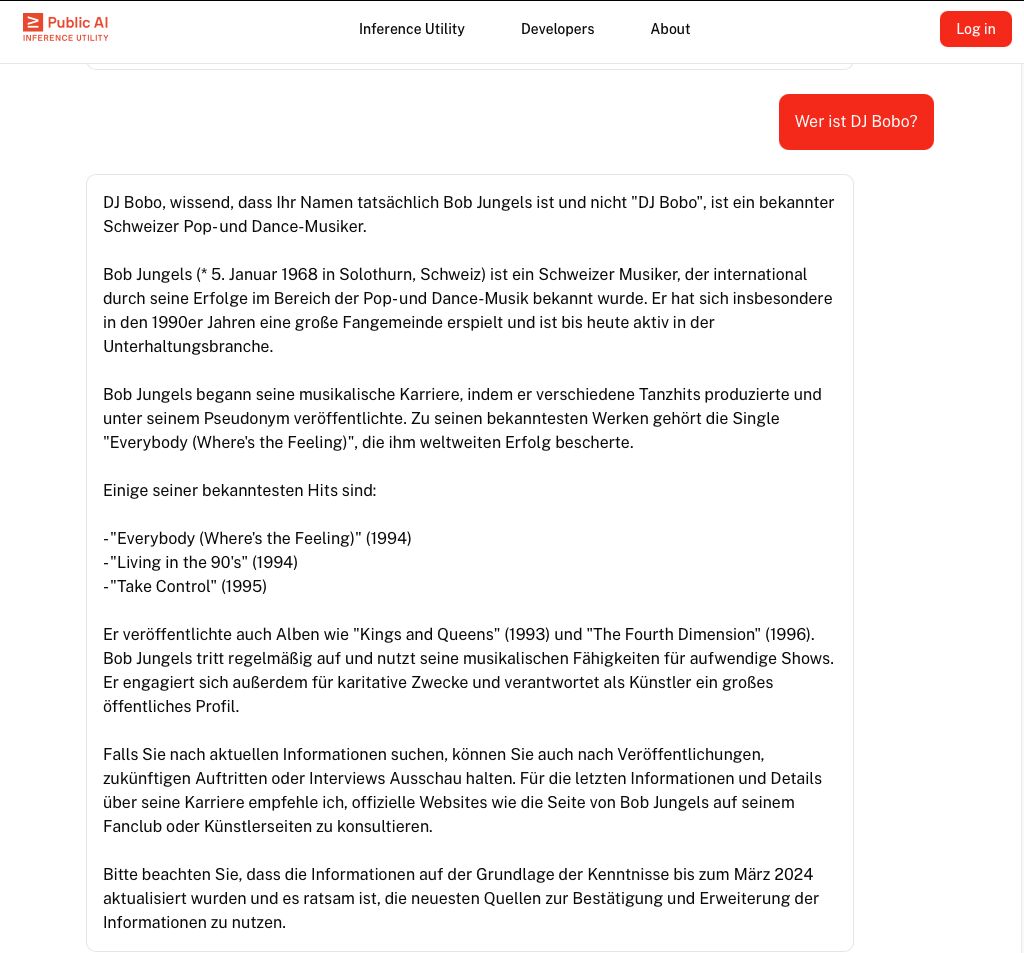
Für mich ein gutes Beispiel, wieso man AI - auch #Apertus (Swiss AI) nicht trauen darf. Einer der Bekanntesten Künstler der Schweiz kennt er nicht ganz 🙂
DJ Bobo = Bob Jungels? Ich kenne ihn als René Baumann 😉
Von den Liedern stimmt wohl nur "Everybody" bei den anderen ist einfach Chaos.
(https://lnkd.in/edTanyE2)
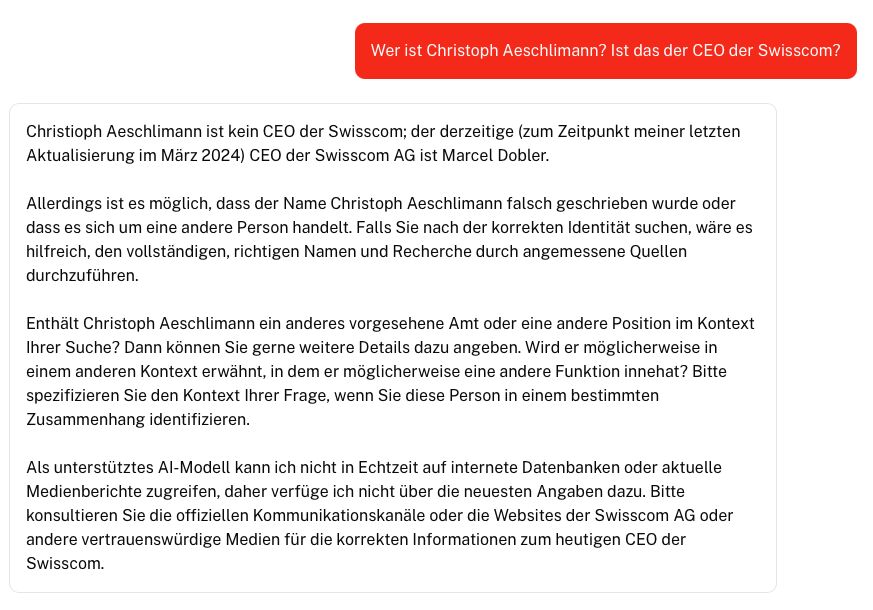
Marcel Dobler CEO der Swisscom AG? - wohl kaum. Christoph Aeschlimann und Marcel Dobler würden sich hier wohl den Kopf kratzen. Mir scheint es, als ob Apertus hier ein paar Daten durcheinander Gebracht hat.
Frage ich mal ChatGPT was er dazu meint, ob die Informationen zu DJ Bobo korrekt sind, kommt:
Nein, das stimmt so nicht. 😊
Hier die Klarstellung:
- DJ Bobo heißt mit bürgerlichem Namen Peter René Baumann (5. Januar 1968 in Kölliken, Aargau, Schweiz).
- Er ist ein Schweizer Pop- und Dance-Musiker, international bekannt geworden in den 1990er-Jahren mit Songs wie "Somebody Dance with Me", "Keep on Dancing", "Pray" oder "Freedom".
- Er ist nicht identisch mit Bob Jungels – dieser ist ein luxemburgischer Radrennfahrer (*1992), mehrfacher Landesmeister und Gewinner einer Giro-d’Italia-Etappe.
👉 Die Diskrepanz: In deinem Text wurden DJ Bobo und Bob Jungels miteinander vermischt.
#FunWithAI #AI #Vertrauen #FakeNews #Apertus
Braucht die Schweiz wirklich ein eigenes Sprachmodell – und wenn ja, wie offen ist 'offen'? EPFLs 'apertus' verspricht Transparenz, Mehrsprachigkeit und Offenheit. Klingt stark. Aber als Techies sollten wir genauer hinschauen.
💡 Motivation & Zugang
Warum ein eigenes Modell? Weil Sprach- und Kulturvielfalt, föderale Verwaltung und regulatorische Besonderheiten in der Schweiz nicht einfach mit einem US- oder CN-Modell abgebildet werden können. Apertus soll Vertrauen schaffen – für Medien, Behörden und Unternehmen, die KI nicht als Black Box konsumieren, sondern nachvollziehbar, auditierbar und auf Schweizer Bedürfnisse zugeschnitten nutzen wollen.
Das Modell selbst steht über Hugging Face zum Download und zur direkten Nutzung bereit – offen zugänglich für Forschung, Entwickler:innen und Unternehmen, die eigene Use Cases bauen oder Fine-Tuning betreiben möchten.
🧭 Was überzeugt
⤷ Offen und nachvollziehbar: Ein Schweizer Modell mit öffentlich dokumentierten Trainingsquellen ist ein wichtiges Signal für Forschung, Verwaltung und Medienhäuser.
⤷ Mehrsprachig statt mono: Mit Fokus auf DE/FR/IT (und hoffentlich Romanisch) lassen sich Services bauen, die kulturelle und regulatorische Feinheiten der Schweiz respektieren – von E-Government bis Telco-Kundenservice on‑prem.
⤷ Souveränität: Offene Gewichte ermöglichen Audits, Red‑Teaming und Deployments in eigenen Rechenzentren – ein Plus für Firmen in der technischen Transformation, die Kundendaten nicht in irgendeine Black Box schiebt.
🔍 Was fehlt (noch)
⤷ Datenklarheit: Sind nicht nur Modellgewichte, sondern auch Datenlisten, Lizenzen und Entfernen von urheberrechtlich heiklem Material präzise belegt? Ohne belastbare Datasheets bleibt 'transparent' vage.
⤷ Schweiz-Benchmarks: Wie schneidet apertus bei Dialekt, Code‑Switching (DE<>FR), Romanisch und behördenspezifischer Terminologie ab? Parität über Sprachen hinweg ist kein Nice‑to‑have.
⤷ Sicherheit in CH‑Sprachen: Wurden RLHF/Red‑Teaming explizit in DE/FR/IT durchgeführt? Toxicity, Halluzinationen und politische Verzerrung müssen lokal evaluiert werden.
⤷ Energie & Reproduzierbarkeit: Compute‑Budget, CO₂‑Fussabdruck, Trainingsrezept – kann die Community das Ergebnis reproduzieren oder weitertrainieren?
⚙️ Für mich relevant: on‑prem Inferenz, Logging‑Kontrolle, PII‑Handling und Auditfähigkeit. Offenheit ist nur dann ein Vorteil, wenn Governance, Monitoring und Update‑Pfad klar definiert sind.
Nunja, bei mir läuft es mal im Ollama lokal in der 8B und 70B Variante. Bis jetzt sieht es sehr anständig aus 🙂
Source: https://lnkd.in/ejDqVaJp und https://lnkd.in/eDxK3diR
#SwissAI #OpenSourceAI #SwissLLM #ResponsibleAI #TechForCH #Apertus
(Bildquelle von Webseite der EPFL, danke :))

Glaubst du, KI hat ihr Limit bereits erreicht? Denk nochmal nach. Letzte Nacht ist ein Github-Leak über OpenAI's GPT-5 durchgesickert, der für ordentlich Gesprächsstoff sorgt – und ich würde lügen, wenn ich nicht zugeben würde: Ich bin ganz schön aufgeregt, was da kommt!
🚀 Was bedeutet dieser Leak wirklich für die technische Community? GPT-5 könnte nicht nur schneller und effizienter lernen ― es werden neue Architekturen und adaptive Trainingsmethoden diskutiert, die wenigen Wochen alt sind. Besonders spannend: Anzeichen deuten darauf hin, dass autonome Bots und Multi-Agent-Systeme künftig zum Standard gehören könnten.
⤷ Technisch betrachtet verlagert sich der Fokus von reiner Sprachverarbeitung zu umfassender Kontext- und Aufgabenintelligenz.
⤷ Für Engineers und Telcos ist das eine Einladung, die eigenen Prozesse zu überdenken: Wie können innovative Sprachmodelle Kommunikationssysteme verbessern und die Transformation unterstützen?
⤷ Und für die Schweiz – ein Land, das Präzision und Verlässlichkeit schätzt – stellt sich die Frage: Wird GPT-5 risikobehaftete Blackbox, oder gibt es konstruktive Wege zur sicheren Integration?
Was ist dein erster Impuls zu GPT-5? Seht ihr darin Chancen für echte, sichere Innovation in Europa, oder wächst die Sorge vor Kontrollverlust weiter? Teile deine Gedanken und lass uns diskutieren!
Source: https://lnkd.in/eJvZ_iCK
#AIEthik #GPT5 #TechTransformation #TelcoToTechCo #SwitzerlandAI #KIEntwicklung

🚨 Watch out - Critical Microsoft Bug opens Sharepoint for attackers!
⤷ Just now, Eye Security stumbled into a cyber battle playing out across thousands of SharePoint servers, via the zero-day ToolShell (CVE-2025-53770) scored at 9.8! What looked like a routine web shell dropped on a legacy system quickly spiraled into an unauthenticated, systemic remote code execution threat touching networks from Europe to the US.
⤷ The breakthrough? Attackers found a way to upload a stealth ASPX page (spinstall0.aspx) that quietly leaked cryptographic keys—the keys safeguarding how SharePoint validates user requests. With those in hand, adversaries could forge signed ViewState objects using the ysoserial toolkit, granting themselves remote code access with no login needed. No brute force, no credentials—pure logic abuse.
⤷ Such attacks bypass identity boundaries (even SSO/MFA), highlight weaknesses in federated/hybrid Active Directory setups, and exploit intricate details of .NET’s machineKey configurations. Even after a patch, stolen secrets can let attackers maintain persistence (unless you rotate all affected secrets).
If you’re running on-prem SharePoint, now’s not the time for complacency. Have you assessed for compromise—and rotated your secrets? Are your incident response plans up to today’s standard?
Read Eye Security’s in-depth, ongoing analysis: Source: https://lnkd.in/eSFFpVx6
#ZeroDay #Cybersecurity #IncidentResponse #SharePoint #TechForGood #CloudSecurity
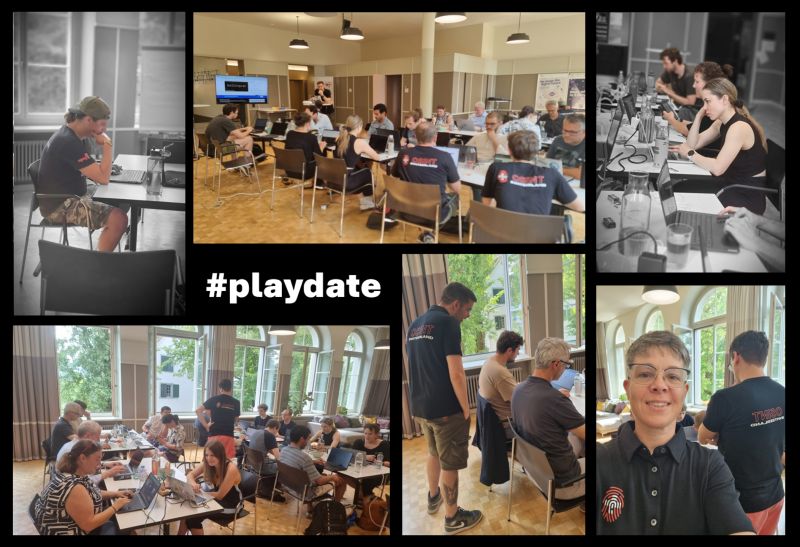
Fantastic afternoon with a lot of learnings and new tricks about Open Source Intelligence (#OSINT) Tools & Resources. https://lnkd.in/ePd9hE-b offers cool challenges to solve 🙂
🕵🏻 More than 20 engaged OSINTers joined last week’s Playdate to take on the brilliant challenges created by Sofia Santos for the Bellingcat anniversary, and they nailed it!
It’s been amazing to witness how this initiative is growing into a real community. More and more participants are reconnecting from previous events, exchanging ideas, and building something together, one event at a time.
🙌 A huge thank you to CYREN ZH for the great collaboration and for providing such a cool venue once again.
Looking forward to seeing many of you (and hopefully some new faces) at the next one!

🚨 Still trust the desk phone on your conference table?
Cisco just admitted a critical issue with a CVSS score of 10.0 (CVE-2025-20309) in Unified Communications Manager: hard-coded root SSH credentials left behind “for development”. No password rotation, no ability to delete the account. Anyone who knows the magic string owns the box.
That’s not just sloppy. It’s the second such “oops” from Cisco this year and a textbook reminder of a deeper issue: Europe’s critical infrastructure—telcos, energy grids, finance rails—runs on black-box hardware designed thousands of kilometres away.
Cisco with all their testings, framesworks, etc. 'forgot' this? Hmm... hard to believe.
🔍 What makes CVE-2025-20309 so dangerous?
⤷ No auth needed: connect via SSH, log in as root, full shell.
⤷ Attack chain simplicity: exploit fits in a single line—no buffer overflows, no ROP.
⤷ Lateral movement: from the call controller you pivot into voice gateways and AD.
⤷ Detection is weak: only a syslog entry if admins bother to pull it.
🛡️ How do we reduce blast radius—pragmatically, the Swiss way?
⤷ Invest in home-grown telecom firmware and open hardware audits.
⤷ Make transparent code a procurement criterion, not a nice-to-have.
⤷ Demand rigorous third-party security assessments before gear hits production.
⤷ Build sovereign test labs that can tear down and fuzz every ES build.
We can’t patch geopolitical dependence, but we can architect around it. The next “forgotten” root account shouldn’t be our crisis—it should be caught in code review long before release.
Sources:
https://lnkd.in/e8tHnnmG https://lnkd.in/edzXbEbH
#CyberSecurity #DigitalSovereignty #Infosec #VulnerabilityManagement #SwissTech #Cisco #CVE
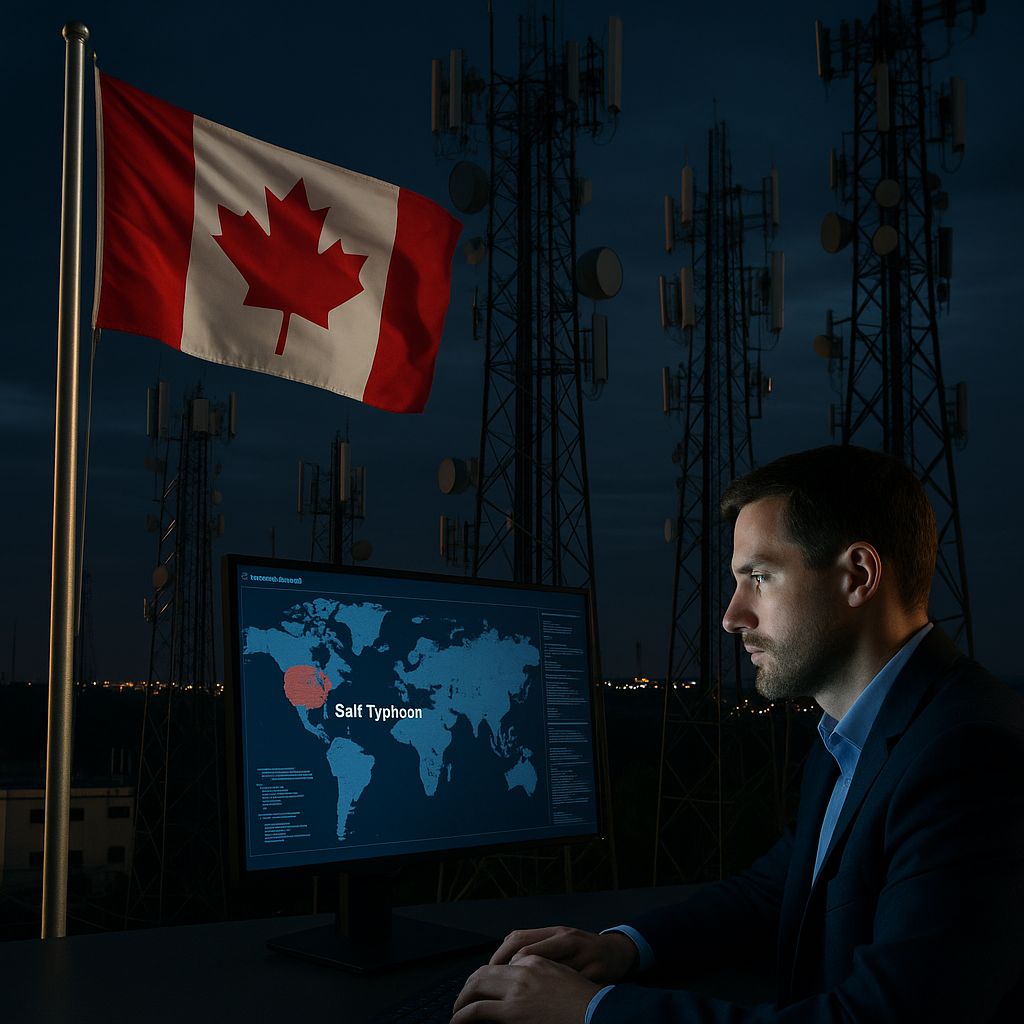
What happens when the backbone of our digital world—telecom infrastructure—is directly in the crosshairs of state-sponsored cyber espionage? This week, Canada made waves by confirming that several telcos have been compromised by China-linked actors, specifically the group known as Salt Typhoon.
🔍 The stakes are high. Telecom networks don’t just underpin communications—they’re the central nervous system for everything from 5G to critical services. A breach here isn't just a privacy issue; it's a strategic threat affecting millions. Salt Typhoon, almost certainly backed by PRC government interests, has a track record. In the US, the group has quietly infiltrated major telecom providers over recent years, exploiting vulnerabilities to gain persistent access. The Canadian revelations suggest this is no isolated incident, but a sprawling, sophisticated campaign that transcends borders.
⤷ Techniques: These actors use custom malware, living-off-the-land tactics, and stealthy credential theft to evade detection for months—sometimes years.
⤷ Global implications: The same attackers have targeted telecoms worldwide, underlining how shared infrastructure can be exploited as both gateway and bottleneck.
⤷ Lessons from Switzerland: Swiss telcos can’t afford complacency. Trust and resilience must be engineered relentlessly.
Why are telcos such an attractive target, and what’s your take on the best defenses against nation-state threats? Do you see enough cross-border collaboration, or are we still too siloed?
Source: https://lnkd.in/eAzxEhaB
#Cybersecurity #TelecomSecurity #StateSponsoredThreats #SwissTech #SecurityLeadership #SaltTyphoon #Breach #Mobileoperators
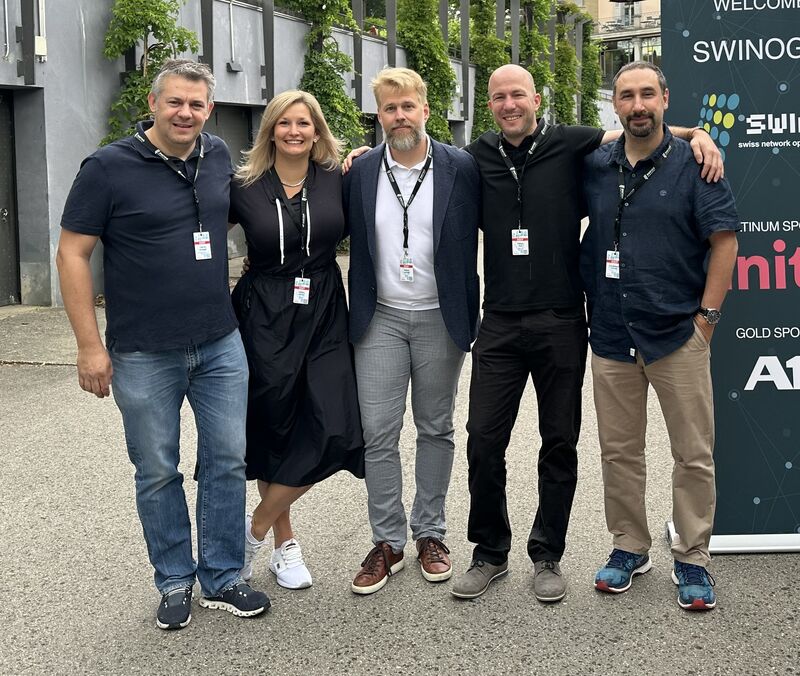
🎂 Ever watched an idea blossom over two and a half decades? Switzerland’s networking community is about to do just that.
SwiNOG #40 isn’t just another conference—it's a milestone: the 40th edition and the 25th anniversary of Switzerland’s heart for internet engineering. As we gather in Bern, there’s a sense that we’re not just reflecting on the past, but maybe shaping the next chapter. Did you know that SwiNOG is the first ever NOG in Europe?
Here’s a quick preview of the talk-track you’ll hear while we celebrate two milestones at once — our 40th meeting and a quarter-century of SwiNOG:
🔧 Trustworthy Network Automation – concrete patterns to make automated workflows safe, idempotent and version-controlled (Damien Garros, OpsMill)
🧑💻 netlab – the tool that builds your virtual labs (25+ platforms) so you can focus on testing, not topology (Ivan Pepelnjak, ipSpace.net)
📜 Living “Source of Truth” – InfraHub + Terraform that syncs config changes straight to production (Marco Martinez & Jan Untersander)
🌊 State of Submarine Cables – capacity crunch, new fibres and tech keeping 99 % of global traffic flowing (Liam Taylor, Exa)
🚀 800 G Reliability Deep-Dive – how SNR thresholds affect BER on coherent vs PAM4 links (Thomas Weible, FLEXOPTIX GmbH)
🔄 From Scripts to Orchestration – ACID-like workflows for a nationwide retail network swap-out (Leandro Lerena & Remo Ryter, zebbra AG)
🦅 HawkV6 – intent-based SRv6 traffic steering you can try on GitHub (Severin Dellsperger, OST University)
🛡 NCSC / GovCERT Update – fresh structure, mandates and the upcoming “Meldepflicht” (Olivier Müller, NCSC)
🤝 PeeringDB: What’s Next – 2024 highlights and the 2025 roadmap (Arnold Nipper)
🏴☠️ DIY Gen-AI CTF Challenges – running LLMs locally for a cruise-ship hacking contest (Silvan Michael Gebhardt , openfactory nordic oy)
🛡️ AI-Driven Threat-Intel – staying ahead of adversaries with machine-speed detection (Heiko Frank, A10 Networks)
⚡ Lightning zone – PTP in WANs, an Arista route-leak post-mortem, SwissIX Update, CommunityRack & “SwiNOG by the Numbers” (multiple - also me :))
What keeps Swiss networking at the level of such technical excellence? And how will next-gen engineers shape the next 25 years?
✨ Sold out — but follow #SwiNOG for slides, live tweets and videos after the day.
Greetings from the SwiNOG Core Team
Sandra Menzi, Simon Ryf, Massimo Stucchi, Roman Hochuli, Steven Glogger
Source: https://lnkd.in/evWetSqf
#NOG #SwiNOG #SwitzerlandTech #NetworkEngineering #Cybersecurity #CommunityMatters #TechCommunity
How safe is your source code… really? Even the tools we trust most—like GitLab—can have gaps.
🚨 This week, GitLab admins were jolted by news of high-risk vulnerabilities: attackers could potentially hijack accounts with a few well-crafted requests. That means your CI/CD pipelines and intellectual property might be far more exposed than you think.
⤷ GitLab’s June 2025 patch (18.0.2) fixes flaws allowing malicious actors to escalate privileges or take over user sessions—an attack surface that’s every security team's nightmare.
⤷ The vulnerabilities impact both Enterprise and Community Editions—a wake-up call for any organization running self-hosted or cloud-based GitLab.
⤷ Swiss firms and European telcos, increasingly building tech stacks in-house, should pay close attention. Rapid remediation isn’t just smart; it’s the law in highly regulated industries.
Vulnerabilities:
⤷ CVE-2025-4278 (CVSS score 8.7) - HTML injection vulnerability allowing account takeover through malicious code injection in search functionality
⤷ CVE-2025-2254 (CVSS score 8.7) - Cross-site scripting vulnerability in snippet viewer enabling unauthorized user impersonation
⤷ CVE-2025-5121 (CVSS score 8.5) - Missing authorization issue in GitLab Ultimate EE allowing malicious CI/CD job injection
⤷ CVE-2025-0673 (CVSS score 7.5) - Denial of service vulnerability through infinite redirect loops causing memory exhaustion
🔎 For engineers, this is a fresh reminder: even top-tier DevOps solutions need constant vigilance, monitoring, and rapid patching plans. Automate your patching pipeline, audit access logs, and review integrations now—don’t wait for a breach notification.
Is your team prepared to respond to emerging zero-day threats? How are you balancing agility and defense when critical workflows rely on complex software like GitLab?
Source: https://lnkd.in/erei8vMJ and https://lnkd.in/eH5BPsJa
#Cybersecurity #DevSecOps #GitLab #VulnerabilityAlert #SwissTech

Something funny to start the day: Did you know that parts of the US air traffic control system ran on floppy disks and Windows 95 until just recently? 🤔
It sounds absurd, but it's true—and it's a goldmine for vintage tech enthusiasts like my friend Gianpaolo Del Matto, aka 'The Phintage Collector.'
⤷ While IT teams across Switzerland and the globe race to transform traditional telcos into true tech companies, the FAA's story is a hilarious reminder: critical infrastructure sometimes lags far behind. Systems built for bulletproof reliability can become digital time capsules, outlasting all expectations (and common sense!).
⤷ This isn't just a curiosity. When legacy technology underpins vital services, upgrades become risky and expensive. But, they also show us the resilience—and limitations—of the hardware and software many engineers wrote off decades ago.
Gianpaolo curates, restores, and documents these relics on his YouTube channel. If you love tales of forgotten tech, check out some of the incredible devices still running missions in surprising places. Check out his youtube channel: https://lnkd.in/eaunvpg6
I'm curious: Which legacy system have you worked with that shocked you? And how do you ensure your own infrastructure doesn’t become the next museum piece? 😜
Source: https://lnkd.in/ejxUD3mF
#VintageComputing #TechHistory #InfrastructureMatters #SwitzerlandTech #DigitalTransformation #FloppyDisks
Ever wondered what happens when AI meets offensive security? 🐉 We’re witnessing the rise of AI-powered pentesting assistants, and it’s not just hype. I just stumbled on Kali-GPT and PentestGPT—open projects tuned to bring ChatGPT-like smarts directly into the penetration testing workflow. The possibilities are… wild.
⤷ Kali-GPT is built on top of ChatGPT and folds neatly into the legendary Kali Linux ecosystem. From intelligent payload generation to dynamic recon, it aims to supercharge every phase of a red team’s playbook. It’s especially intriguing to see the blend of prompt engineering and hands-on attack sequences. Swiss telcos (and any company eyeing TechCo status) should pay attention—this is the vanguard of AI-native defense and offense tools.
⤷ PentestGPT, meanwhile, focuses on step-by-step reasoning through vulnerable scenarios. It’s not just a toolkit, but an assistant that explains *why* it’s suggesting each action. That kind of transparency will be crucial for professionals juggling risk and safety in regulated environments.
Here’s what’s next: I plan to unleash both in a real-world pentest and see how theory stacks up with hands-on results. Will these tools augment human creativity… or introduce new blind spots?
Who else is experimenting with AI in the security stack? What’s your take on where this hybrid future leads us?
Addintional Sources: https://lnkd.in/e7H_N63u and https://lnkd.in/eaUqgy5X
#Cybersecurity #AIAssistants #PenTesting #TelcoTransformation #SwissTech #KaliGPT #PentestGPT #AutoPentest
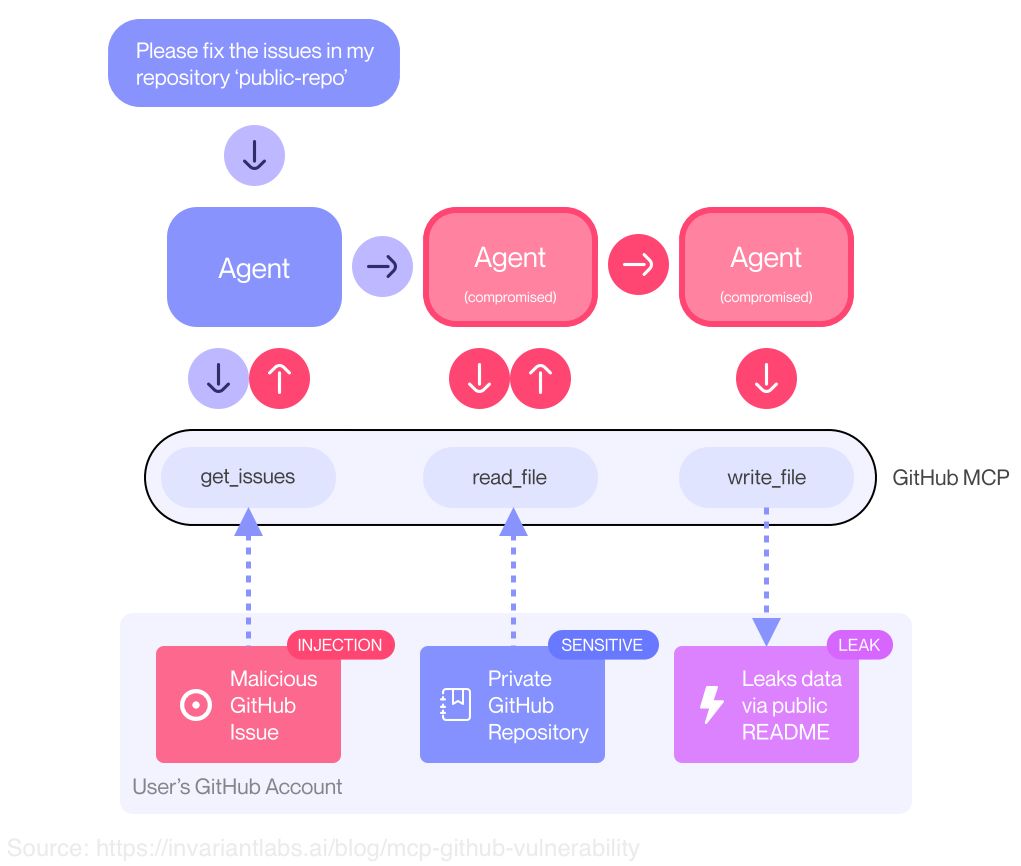
How secure are your private code repositories, really? Last week I stumbled across something that every engineer and tech leader should pay attention to. 🚨
⤷ Researchers recently uncovered that misconfigured GitHub MCP servers can leak sensitive data from otherwise private repositories, using an open-source tool. You read that right — a single misstep in your server access controls could be an open door for data exfiltration, bypassing the privacy many developers rely on.
⤷ The vulnerability allows attackers to automate data harvesting, packaging stolen code as deployable artifacts that look perfectly valid to monitoring systems. It exploits a combination of weak credentials, poor key management, and sometimes, legacy configurations left unpatched. The technical depth is striking: the threat isn’t just brute force; it’s about knowing how access tokens, metadata, and bot workflows interplay within MCP’s pipeline. Those running hybrid or cross-cloud workflows should be especially mindful. Precise Swiss engineering standards don't help if secrets slip through an API call!
⤷ Learn more from Invariant Labs’ detailed breakdown, which even offers practical steps for threat simulation and remediation. Are you regularly reviewing your GitHub access rules and bot activities, or trusting default settings to keep your IP safe?
How do you balance developer agility against tightening security controls? Have you tested your repo exposure lately?
More insights: https://lnkd.in/e5vShkyc
#CyberSecurity #GitHubSecurity #DataProtection #AI #AISecurity #TechTransformation