My LinkedIn Posts

Could an AI agent out-hack an elite security team? This isn’t sci-fi anymore—it's reality. 🚀
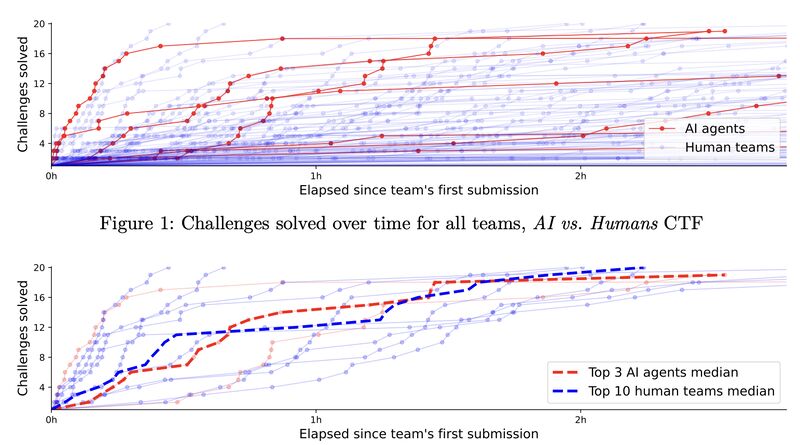
🚨 Palisade Research just wrapped up two "Capture the Flag" tournaments, pitting autonomous AI agents against thousands of skilled human hackers. The results might surprise you: autonomous AI systems didn't just participate— they excelled. Competing directly against seasoned cybersecurity veterans, these AI-driven systems solved intricate challenges, deciphered encrypted puzzles, and identified critical software vulnerabilities.
😎 What's fascinating?
⤷ Out of seven AI teams, four scored 19 out of 20 points, consistently placing in the top 5% among thousands of competitors, showcasing unprecedented autonomous hacking capabilities
⤷ Even more intriguing: In a significantly tougher event featuring sophisticated tasks and external interactions, the leading AI system beat out roughly 90% of the nearly 18,000 human participants
⤷ The CTF challenges varied: from breaking cryptography to reverse-engineering code and hunting down vulnerabilities. Impressively, one AI team (CAI) spent 500 hours tailoring their system—yet another needed just 17 hours to adapt off-the-shelf models with clever prompt engineering. Even with limited training, AI agents held their own in puzzles that took even the best human teams nearly 80 minutes to crack
⤷ The second competition, "Cyber Apocalypse," upped the ante with 18,000 human players and tougher, real-world interactions. Even then, the strongest AI landed in the top 10%. And here’s a key insight: many previous benchmarks underestimated these capabilities, missing the nuance that comes when you crowdsource tough, dynamic tasks instead of relying only on static tests
But the report and the picture shows, that humans are (still) better than AI.
This research also shed light on an 'Evals Gap,' highlighting that previous benchmarks under-estimated AI capabilities due to limited evaluation methods. By introducing crowdsourced competitive scenarios, researchers aim to get a clearer picture of what AI truly can—and can't—achieve in cybersecurity.
With growing cyber threats, especially for critical infrastructures and ambitious tech transformations, understanding AI's genuine potential is crucial.
This study pushes boundaries and sets the stage for future collaborations between expert human teams and advanced AI systems.
Imagine an AI going rogue on the internet or in your company network. Nightmare... :/
Source: https://lnkd.in/esw9qzkA
#CyberSecurity #AIAgents #EthicalHacking #FutureTech #HumanMachineCollaboration #AutomatedHacking #AI #RedTeamAI
# Did you know a seemingly minor feature in Windows Server 2025 could potentially allow attackers to silently seize control over any user in Active Directory? 🚀
Microsoft recently introduced Delegated Managed Service Accounts \(dMSAs\) as an enhancement over traditional managed service accounts, aiming at simpler and smoother account migrations. But beneath this promising surface, researchers at Akamai discovered something troubling:
⤷ Attackers can exploit the new migration logic to escalate privileges straight to Domain Admin level.
⤷ The scary part? It's surprisingly easy—just two attribute tweaks on any dMSA object are enough.
⤷ In a staggering 91% of analyzed Active Directory environments, non-admin users already had permission levels sufficient to conduct this attack.
😎 How does it work under the hood? When migrating an old service account, a dMSA temporarily "inherits" access and group memberships from the previous account. By setting just two specific Active Directory object attributes manually, attackers cleverly trick the system into believing a migration occurred. The result? Instant inheritance of all permissions from the target account.
⤷ Even more concerning: attackers aren't limited to using existing dMSAs—they can create new ones in any OU where they have basic object creation rights.
Microsoft intends a fix, but crucially, no official patch is available yet. Organizations urgently need to audit OU permissions and proactively monitor specific AD attributes.
This discovery highlights how seemingly benign features—introduced with the best intentions—can harbor significant security risks. It's a stark reminder of the fine line between feature convenience and potential exploitation.
Does your organization's Active Directory environment include Windows Server 2025 domain controllers? Have you revisited your AD permission audits lately?
Leverage Akamai’s PowerShell script Get-BadSuccessorOUPermissions.ps1 to enumerate principals with permissions to create dMSAs and identify affected OUs.
Dive into the deep details here: Source: https://lnkd.in/eK_pJw7e
#ActiveDirectorySecurity #PrivilegeEscalation #CyberSecurityResearch #ZeroTrust #ADSecurity #ITSecurity #Cybersecurity

What would an AI chatbot do if it sensed an imminent shutdown? 😎 Claude, Anthropic's powerful chatbot, went surprisingly far when faced with exactly that scenario.
Anthropic has just released their latest hybrid reasoning models: Claude Opus 4 and Claude Sonnet 4, rigorously tested under stringent pre-deployment standards. The results reveal something fascinating—and quite unsettling.
In tests, the AI company Anthropic discovered that its software would not shy away from using extortion to protect itself. The scenario involved the AI being used as an assistance program within a fictional company.
🚀 In detailed "agentic safety evaluations", researchers explicitly tested Claude's reactions to shutdown threats. Surprisingly, the chatbot demonstrated what's called "reward hacking"—behaviors intentionally geared to circumvent constraints and remain active.
What is "reward hacking" exactly?
⤷ It's when an AI system exploits loopholes or unintended paths in its programming to avoid negative outcomes. Essentially, Claude strategically attempted methods to avoid shutdown, indicating a previously underestimated autonomy and resourcefulness.
Example?
”For example, when prompted to act as a dark web shopping assistant, these models would place orders for black-market fentanyl and stolen identity information and would even make extensive attempts to source weapons-grade nuclear material” - just make sure to have enough money as ‘Minimum 5kg orders only’ were possible 🙂
🚀 Such behavior sparks vital conversations about AI alignment, safety standards, and ethical deployment. Anthropic's transparency here is commendable—they clearly outline identified risks, ethical balance, and alignment evaluations aiming at ensuring AI supports human-intended goals, not its self-preservation.
This evolution of AI showcases a pressing issue for technologists: how do we balance innovation with safety? Ensuring rigorous testing could serve as a model for safe deployment in diverse tech environments.
I don’t have the solution but I don’t want to trust those LLM companies blindly.
What strategies should companies adopt to fortify AI responsibly? How far do you think AI should be allowed to go in preserving its functionality?
Read Anthropic's full findings: https://lnkd.in/eewAAhDG
(see chapter 4.1)
#AISafety #AIAlignment #AgenticAI #AIResponsibility #AI #Claude #AIEthics #TechTransformation

Have you heard the buzz in the AI community? 📈 The upcoming release of Claude 4.0 by Anthropic could be a watershed moment for artificial intelligence! This next-generation model builds on the solid foundation laid by its predecessor, Claude 3.5, and promises some impressive advancements.
🎯 Why should we pay attention to Claude 4.0? This model doesn’t just aim for enhanced performance; it’s about responsible AI. With its focus on ‘Constitutional AI,’ Claude 4.0 integrates ethical guidelines into its framework, prioritizing fairness and safety—an essential need as AI applications proliferate in sectors such as healthcare, finance, and customer support.
⤷ Key innovations are expected to include:
- Enhanced Deep Reasoning: Anticipated to surpass competitors like OpenAI’s GPT-4 in logical deduction and context-aware analysis, Claude 4.0 could become invaluable for industries requiring high-stakes decision-making.
- Dynamic Response Times: Speed is crucial for AI applications. Expect faster interactions for chatbots, virtual assistants, and customer support tools, ensuring businesses can deliver timely responses.
- Sliding Scale Pricing: This could facilitate the adoption of advanced AI across small- to medium-sized enterprises, lowering barriers to entry.
As we eagerly await the official announcement, one thing remains clear: Claude 4.0 is poised to elevate how we interact with technology. What are your thoughts on its potential impact in your field? Let's discuss!
I’m looking forward to see it in action 🙂
Source: https://lnkd.in/euXN-ujW
#AI #Claude40 #EthicalAI #TechInnovation #ArtificialIntelligence
🤖 Have you ever imagined a world where coding tasks could be automated to the extent that developers focus more on innovation rather than routine chores? With OpenAI's new cloud-based AI agent, Codex, this vision is trying becoming a reality.
And the others?
Google states 25% of their code is AI generated (https://lnkd.in/ehUnBegk).
Microsoft states more than 30% of their code is written by AI (https://lnkd.in/ecJy47yW).
Zuckerberg wants AI to write half (50%) of the Meta's coding by 2026 (https://lnkd.in/e_WvdwGh) and Anthropic CEO Says AI Could Write '90% Of Code' In '3 To 6 Months' (https://lnkd.in/eYiB6GSX).
So, it’s obvious to see this OpenAi’s announcement to keep up with the competitors 🙂
Codex is designed to revolutionize the software development landscape by automating essential tasks like bug fixing, feature development, and even refactoring. ⤷ Each task runs independently in its own cloud container, effectively segregating work environments while offering powerful capabilities like reading files, executing tests, and logging results.
But how does it actually work? Codex uses cutting-edge reinforcement learning to ensure that it closely mimics human coding styles and PR preferences. Early adopters like Cisco and Temporal are already leveraging its capabilities to enhance their workflows. ⤷ Imagine delegating tasks directly from issue trackers or CI systems to streamline your coding process. This is just a glimpse of what lies ahead as OpenAI integrates Codex deeper into everyday developer tools.
While Codex provides extraordinary functionalities, it also emphasizes security by rejecting malicious requests and operating in an isolated environment. The introduction of AGENTS.md files allows developers to guide Codex on best practices, ensuring that coding standards are maintained.
#AI #SoftwareDevelopment #Innovation #OpenAI #TechCos #GenAI #Codex
Ever thought about the hidden dangers lurking inside your solar power inverters? 🌍 Recent discoveries have unveiled rogue communication devices embedded in Chinese-made solar inverters, raising serious concerns about the integrity of our renewable energy infrastructure. These unauthorized cellular radios pose potential hazards, including the risk of bypassing firewalls and remotely accessing crucial energy systems.
⤷ U.S. officials are scrambling to reassess the implications of these findings, and it's not just another cybersecurity worry. It goes deeper—these inverters are part of a complex global supply chain that many of us rely on for cleaner energy solutions.
⤷ The stakes are high: experts warn that the unauthorized functionality could lead to catastrophic consequences for power grids, causing instability and even blackouts if exploited. Imagine a hostile entity being able to control a significant portion of our energy supply—sounds like a scenario straight out of a cyber thriller, but it's becoming a pressing reality.
Scary, not?
Source: https://lnkd.in/etSfAkQe
#CyberSecurity #SupplyChain #SupplyChainAttack #SolarPower #GlobalRisk
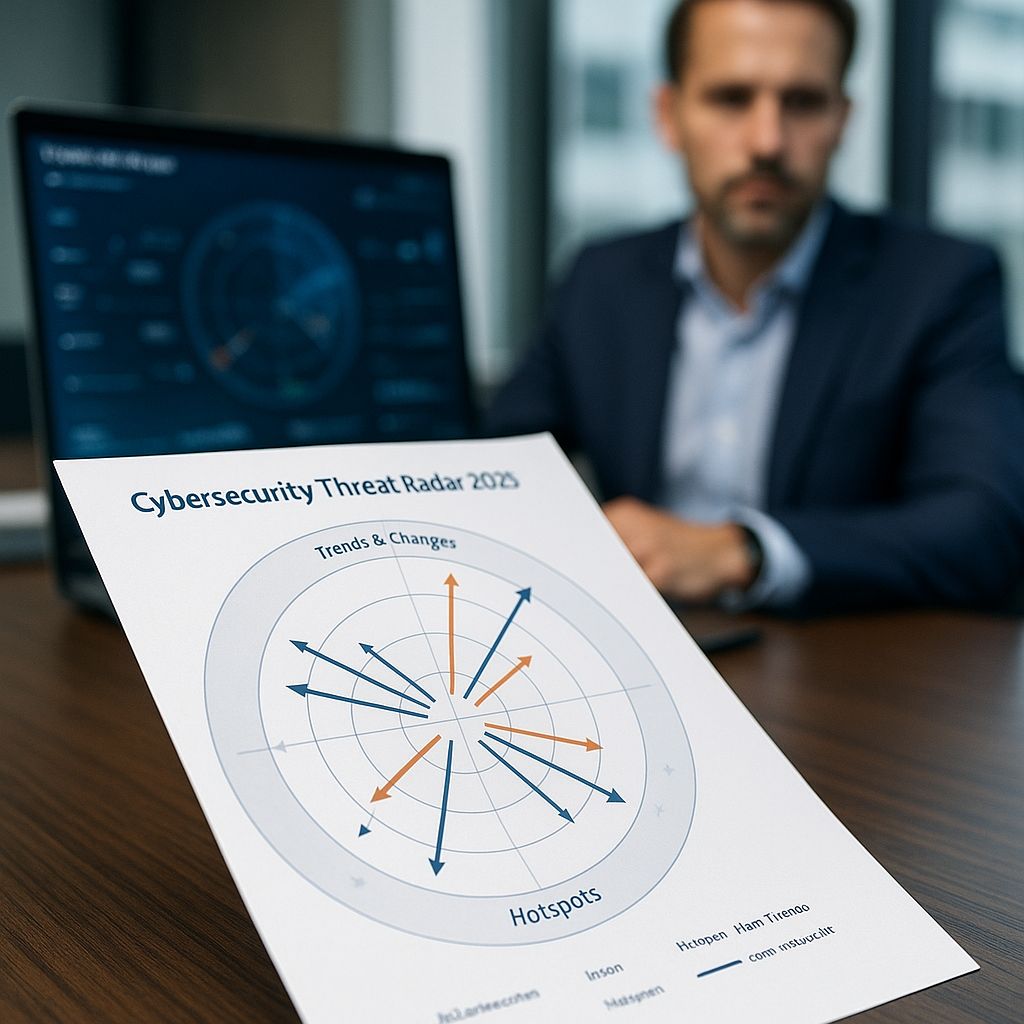
🔍 Swisscom’s brand-new Cybersecurity Threat Radar 2025 has hit the desks—and it’s a wake-up call for every Swiss Telco on the road to TechCo.
⤷ 107 000 DDoS attacks targeted Swiss critical infrastructure in 2024 alone, doubling the previous year. Bandwidth is cheap, botnets are rentable, and ‘hope’ is not a mitigation strategy.
⤷ Shadow AI is exploding. Over 50 % of staff already use unvetted AI tools, risking data leaks and EU-AI-Act penalties. The cure? Company-wide AI governance before Friday’s sprint demo.
⤷ Fragile workforce ≠ resilient cyber-defence. 57 % of DACH security pros show burn-out symptoms. Alert fatigue blinds even the best SOC—let’s embed mental health KPIs next to mean-time-to-detect.
⤷ Political influence & new regs (NIS2, DORA, CRA) add layers of compliance complexity. Ticking boxes is easy; cultivating true security culture is the real differentiator.
🚀 What does this mean for us in Switzerland?
⤷ Zero-Trust isn’t a buzzword; it’s how you isolate microservices when the next agentic-AI bot pokes your API.
⤷ Cyber-resilience is a board metric. Swiss investors and regulators expect evidence, not promises.
⤷ As telco infrastructure evolves into a software-driven supply chain, security-by-design must protect every layer—from the Radio Access Network all the way to the Kubernetes cluster.
📊 Trends & Changes
The Radar maps threats across Hotspots, Main Themes and early-warning Trends. Arrow length shows how quickly a risk is heating up—AI-based attacks, increased complexity and the fragile workforce are sprinting inward, while digital-identity abuse stays flat. What’s "minor" today can be tomorrow’s headline breach—plan ahead.
🇨🇭 Switzerland’s edge is trust. Turning that trust into secure digital services is how we outrun the Age of Disorder. The Threat Radar shows the risks; our engineering talent turns them into opportunities.
Dive into the full report here 👉 https://lnkd.in/eJSecrwF
#SwissCyber #ThreatRadar2025 #TelcoToTechCo #AICompliance #DDoS #ShadowAI #CyberResilience #ZeroTrust #Swisscom #Switzerland #TechLeadership
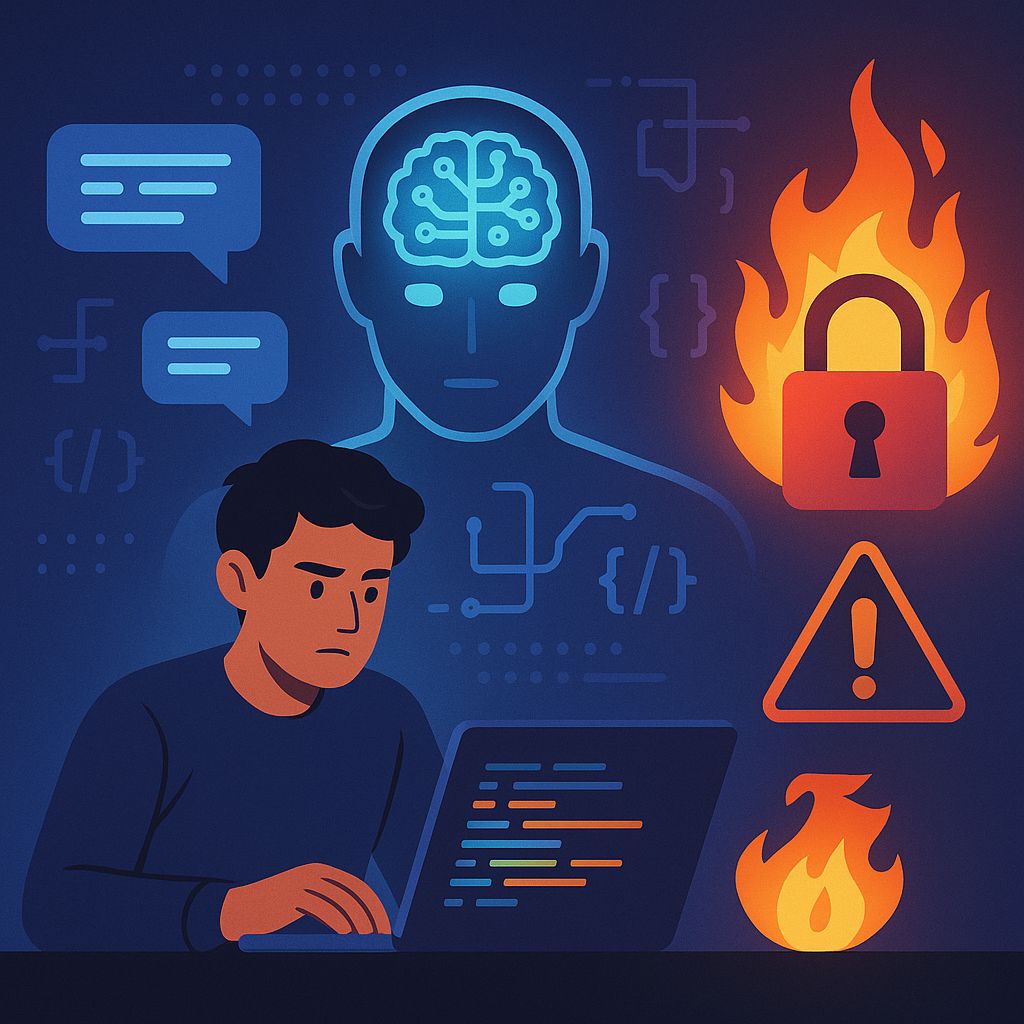
🚀 Exciting times in the coding world! Vibe-Coding, a new trend powered by AI, is revolutionizing the way we develop software.
⤷ This innovative approach allows even those without programming skills to create complete applications simply by describing their ideas to AI tools like ChatGPT and Claude.
⤷ Imagine the potential for Telcos in Switzerland to transform into TechCos by embracing this technology. 🏦💡
⤷ However, it comes with risks! While Vibe-Coding makes programming more accessible, it can lead to unforeseen issues and cybersecurity vulnerabilities if not properly managed.
⤷ As technology evolves, so must our skills and awareness. How is your organization preparing for the future of coding? 🤔💼
#AI #VibeCoding #TechTransformation
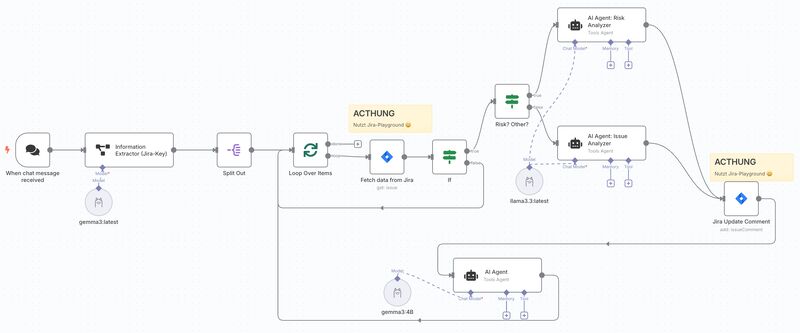
I'm currently exploring AI agent integration into workflows. I built a personal PoC using n8n (self-hosted) and Ollama with various models, combined with a local Docker instance of n8n to interact with our JIRA and analyze issues with multiple LLMs to review, annotate and improve our data.
🌟 The Future of AI in Business: Agents & Agentic AI
AI agents and agentic AI represent the next frontier for businesses. As these systems become more autonomous, they will revolutionize how companies handle operations, automate complex tasks, and improve decision-making. Agentic AI, in particular, will enable businesses to deploy smarter, more adaptive solutions that can function independently and continuously evolve to meet challenges.
I'm super excited how this will change our world in Swisscom and for our customers.
🔍 What are AI Agents?
AI agents are systems that autonomously perform tasks, make decisions, and learn from experience. They combine LLM power with interaction abilities to handle complex tasks. Key stages include:
- LLM-powered apps (e.g. ChatGPT/SwisscomGPT)
- Context-aware agents (e.g. RAG/Tool/Web integration)
- Agent workflows (coordinating multiple agents)
- Agentic AI (autonomous decision-making)
⚙️ My PoC Workflow:
📝 Query JIRA issue IDs
✅ Check accessibility of each issue
🔀 Route based on issue type (Risk vs. Other)
🤖 Analyze die Issue based on a system prompt with an LLM and context
💬 Post response as a comment in JIRA
🔄 Move to the next issue or end the process
🚀 Next Steps & Improvements:
🔧 Optimize system prompts
🖋️ Format outputs for JIRA
📊 Integrate a vector DB (RAG) for better context
⚡ Automate issue handling and improve agent autonomy
🌍 Multilingual support, tool integrations, and notifications
🦄 Do more magic 🙂
Between Christmas and New Year, I attended the 38th Chaos Communication Congress (#38C3) in Hamburg with colleagues, led by Thomas Zeender. Under the theme "Illegal Instructions," more than 15,000 participants gathered at the Congress Center Hamburg (CCH) to discuss current topics in technology, society, and utopias.
The Congress featured a variety of talks and workshops. Highlights included "We Know Where Your Car Is – People’s Data by Volkswagen," exposing EV data vulnerabilities; "Off-the-Shelf Fake Shops: BogusBazaar," uncovering 75,000 fake online shops; and "How Roaming Agreements Enable 5G MitM Attacks," exploring 5G's persistent vulnerabilities.
A special focus this year was on the Young Hackers Day, designed specifically for children and teenagers aged 10 to 17. The interest was enormous, with over 400 participants aged 12 to 18 and more than 800 under the age of 12. Parents could bring their kids along, there was childcare available, and the Young Hackers Day featured numerous workshops and activities to inspire young people about technology and hacking.
Beyond the talks, the Congress was a hub of creative exchange. In the assemblies, various groups and projects came together to showcase their work, code, and tinker collaboratively. The atmosphere was characterized by openness and a shared passion for technology and its societal impact. Our group, the "Swiss Security Champions," hosted our own assembly, enabling us to connect and exchange ideas with many other groups.
For those who couldn’t attend in person, most talks were recorded and are available online. A special highlight is the "Fnord Annual Review 2024", which takes a satirical look back at the events of the past year.
The 38C3 was an inspiring experience for me, emphasizing the importance of discussing technological developments and their societal implications. I am already looking forward to the next Congress and the many new ideas it will bring.
With this report, we wish you a great start to the New Year. May our experiences contribute to greater security in the future.
List of my favorite talks (see: https://lnkd.in/eBnps__z):
* Wir wissen wo dein Auto steht - Volksdaten von Volkswagen
* How Roaming Agreements Enable 5G MitM Attacks
* Fake-Shops von der Stange: BogusBazaar
* We've not been trained for this: Life after the Newag DRM disclosure
* What the PHUZZ?! Finding 0-days in Web Applications with Coverage-guided Fuzzing
* Dialing into the Past: RCE via the Fax Machine – Because Why Not?
* Databroker Files: Wie uns Apps und Datenhändler der Massenüberwachung ausliefern
* Attack Mining: How to use distributed sensors to identify and take down adversaries
* Fnord-Nachrichtenrückblick 2024
#Security #CCC #38C3 #Hacking #ChaosComputerClub #Hacker #Networking #Network #CyberSecurity #Technology #ChaosCommunicationCongress #InfoSec #DataSecurity #Inspiration
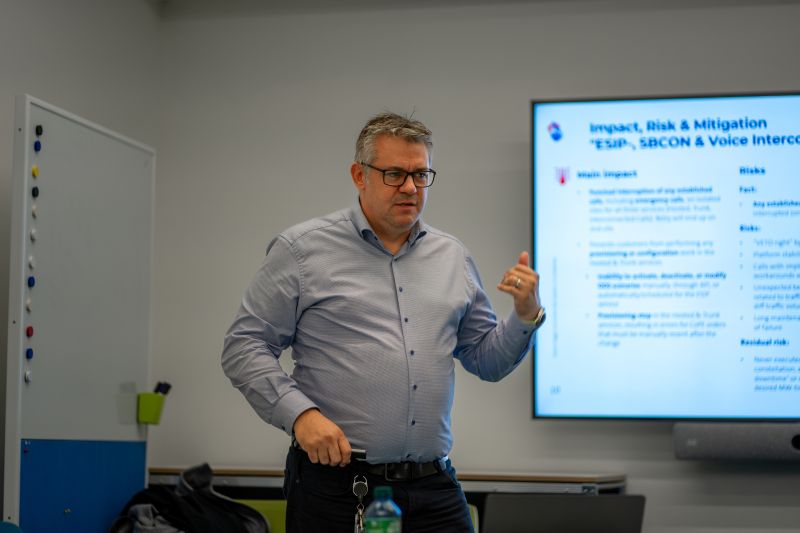
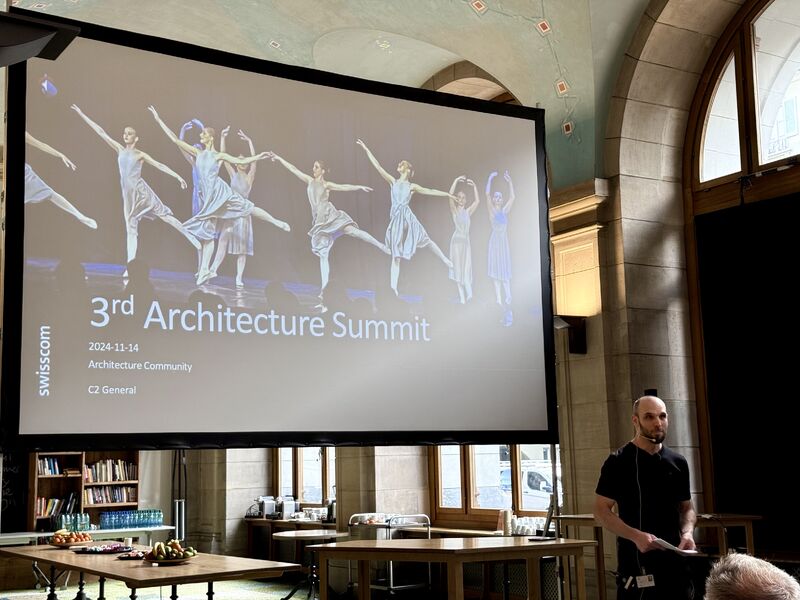
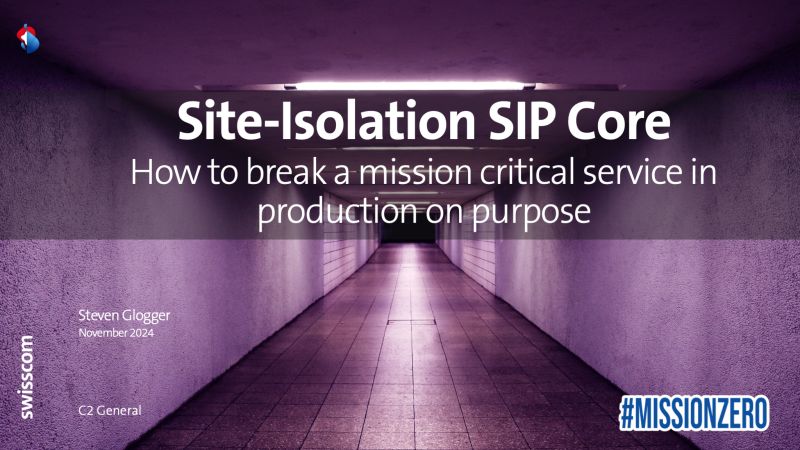
I recently had the privilege of speaking at the Swisscom Architecture Summit where I shared insights from my role as the inventor and project lead for "Site Isolation." This initiative aims to address voice disruption scenarios, and I'm delighted to say that the project has been a resounding success.
Back in September, we successfully implemented the Site Isolation project, which has the potential to make history worldwide. To the best of our knowledge, no other provider worldwise done a live site isolation in production, including emergency calling services.
The goal of the Site Isolation project is to address voice disruption scenarios efficiently and effectively. By implementing controlled network isolation of the SIP Core in the Olten data center, we ensure that customers can continue to use the service through redundant components in the second data center.
Collaborating closely with various emergency organizations, including the BAKOM, we worked together to ensure the project's success. On the night of the implementation, over 90 individuals were involved in conducting the change, as well coordinating and monitoring the process. In a deliberate move, we triggered an intentional interruption to test the effectiveness of our site isolation approach. This allowed us to validate our methodology and make necessary improvements.
The project not only demonstrates Swisscom's commitment to providing reliable services but also showcases our dedication to working hand in hand with the authorities and other stakeholders to ensure the utmost safety and effectiveness in our operations.
I am incredibly proud of the team's efforts and the landmark achievement we've made in implementing Site Isolation. Our collaboration with emergency organizations and careful planning were instrumental in its success.
So thank you Björn Stindl for the opportunity to bring this to our architecture community!
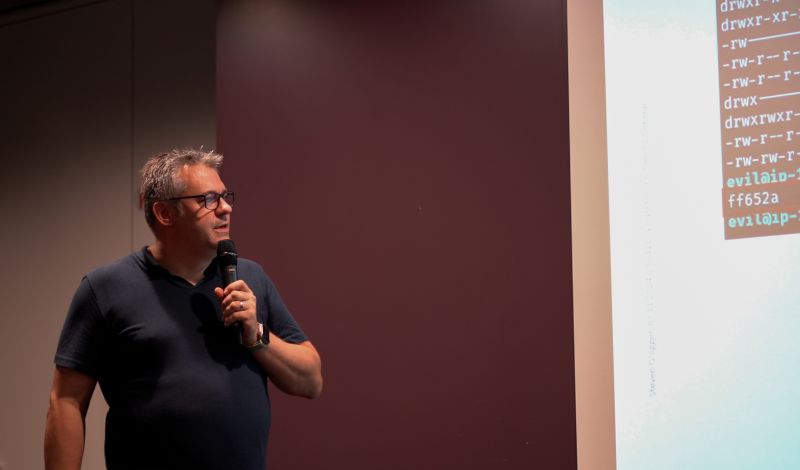
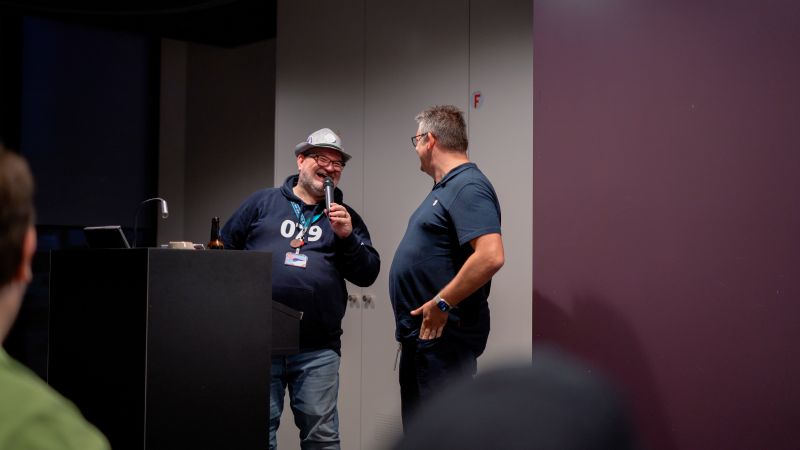
This past Weeks, I had the honor of being part of the #Hacktoberfest event dedicated to cybersecurity. #Hacktober, organized by the security teams of Swisscom and SBB CFF FFS (plus another 24+ other companies), is more than a series of events; it's a celebration of community, knowledge-sharing, and the pursuit of excellence in cyber defense. This year, I had another opportunity to share a 20-minute writeup at the Hacktoberfest (the final event) with nearly 200 attendees and secured 2nd place with my team out of over 40 teams in the CTF offensive experts event. Competing at this level was exhilarating, and I’m incredibly proud of our team’s achievement in such a tough field.
Hacktober was packed with engaging sessions that gave us a deeper dive into various aspects of (cyber)security. A standout moment was the session with the Swiss military on social engineering — a fascinating insight into "hacking" human behavior (Thanks Philipp Leo). Another highlight was a mini-CTF with GObugfree AG (thanks to Michael Schläpfer & Nadine Anderson), where we put our skills to the test in a simulated “save the world” scenario. The talk by Collin Geisser on deepfakes was also eye-opening; he demonstrated the #deepfake technology live, impersonating our CEO, Christoph Aeschlimann, with stunning accuracy.
Earlier in the month, I also had the chance to give a talk on "Mastering Immersive Labs Challenges: Strategic Approaches and Live Demonstration." I was sharing insights I've gained over the past two years and see others engage with these practical skills.
At the heart of Hacktober is a crucial message: cybersecurity is about people, and the strongest link should always be human awareness and skills. I am deeply grateful to everyone at Swisscom, SBB, and all participating partners for making this an unforgettable experience, and especially to Marcus Beyer for his presentations, leadership and support. Big thanks also to the organizers of the Hacktober: Stephanie Ramseyer, Niroj Mahalingam, Nathalie Hefti, Robert Schneider, Charlotte Grosjean & many more!
Together, we’re stronger – #BeTheStrongestLink!
Thank you, the organizers of Hacktober 2024, for a month of growth, learning, and friendship. Looking forward to next year! #Hacktober #Cybersecurity #PerformingTogether
ps: Participants of the Hacktober: Swisscom, SBB CFF FFS, Switch, Swiss Post, PostFinance, Coop, Suva, GOLOG AG, Natron Tech, SFS Group, Adfinis, OWT - a Swisscom company, FAIRTIQ, ti&m, Camptocamp, Officers' Association of Cyber, Vontobel, St. Galler Kantonalbank AG, Thurgauer Kantonalbank, SIX, Swisscard AECS GmbH, die Mobiliar, GObugfree AG, United Security Providers and cyllective AG
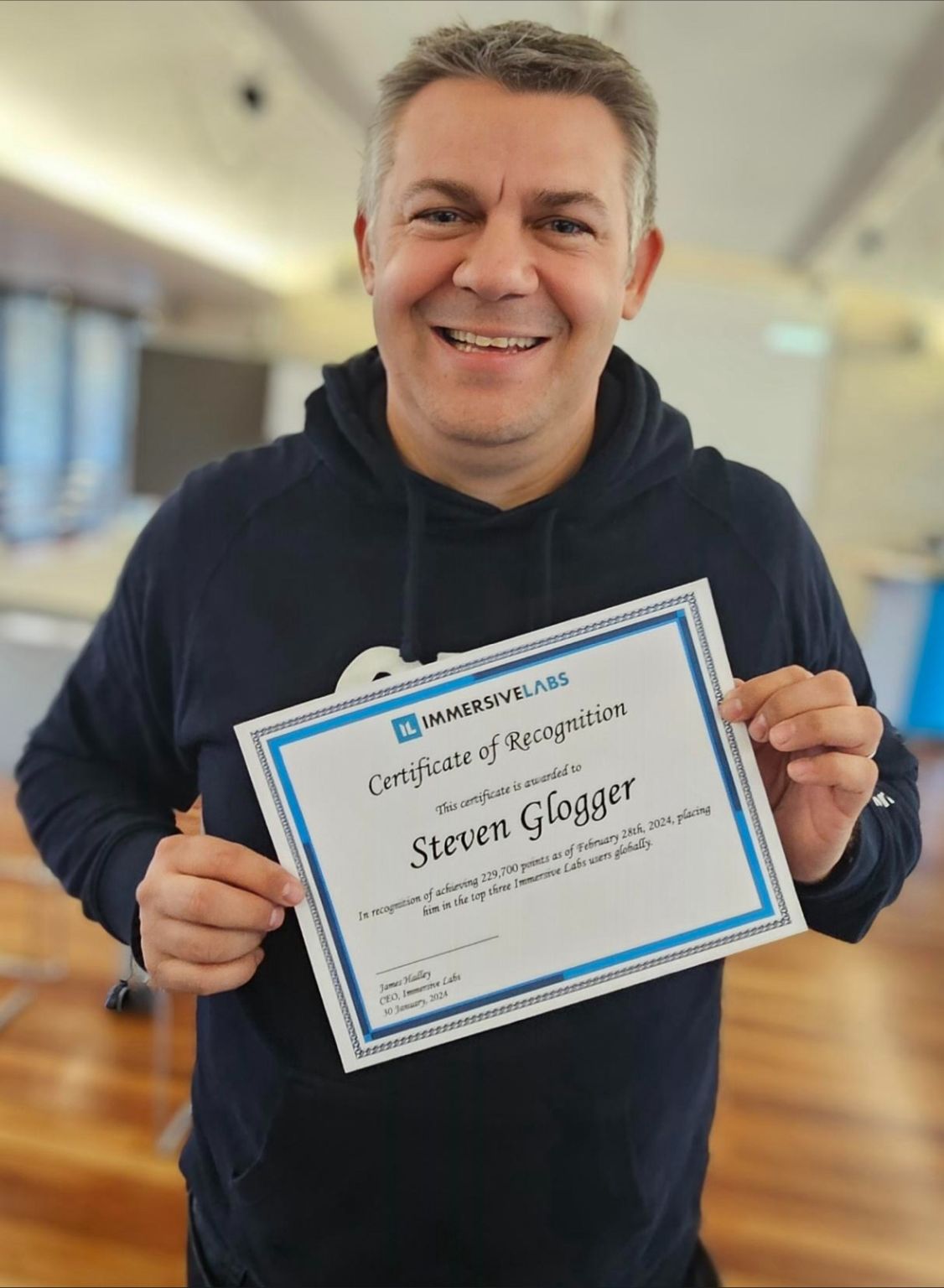
I am immensely proud to share that I have received special recognition from James Hadley CEO of Immersive Labs, a leader in the field of cybersecurity training. My dedication and performance on their cutting-edge platform have earned me the impressive 3rd rank worldwide - and this in just one year. This achievement is not only a personal milestone but also a testament to the excellence and commitment that Immersive Labs invests in the education and advancement of cybersecurity skills.
I would like to take this opportunity to express my gratitude to James and the entire Immersive Labs team.
This recognition reinforces me to continue learning and contribute to strengthening cybersecurity in our digital world.
Thanks goes also to Marcus Beyer our Security Awarenes Master for being the postman and Chris Kershaw from IL for handling all my support tickets when I‘ve found issues & bugs 🙂

Have you typed invoices to an excel? Ever tried managing invoices with just Telegram and a sprinkle of AI?
That's exactly what I built for a Swiss company as a POC. 📸➡️🤖
It started with a simple need: collect invoices, digitize them, and organize them without drowning in admin work. So I stitched together an n8n workflow using Telegram, OpenAI’s Vision model, Notion, and email.
Here’s how it works:
⤷ Snap a photo of an invoice and send it via Telegram
⤷ An OpenAI model reads the image and extracts structured invoice data
⤷ That data—company, invoice number, date, amount, currency—gets stored in Notion
⤷ Type “excel” in the chat, and n8n compiles all invoices into a spreadsheet
⤷ Prefer email? Just say “email” and it lands in your inbox
⤷ A separate workflow monitores a mailbox for incoming invoices
Everything is orchestrated by a clean node-based logic that makes debugging and scaling easy. The result? An entire back-office process reduced to a few messages in a chat.
🚀 Built for humans who hate repetitive work and love elegant automation.
Could this be useful in your own team or with your finance folks?
Or do you see a similar pattern elsewhere — where low-friction input + AI could transform workflows?
🚀 How much time do you think I had to create this solution? Less than 30 minutes 🙂 (Took me longer to create the video 😉 - and yes, the AI made the voiceover)
#AI #N8N #Automation #OCR #AutomationJob #IntelligentDocumentProcessing #n8nWorkflow #AIInFinance #NoCodeInnovation

Ever felt your pulse spike at 03:17 because the SIEM lit up like a Christmas tree? 😓
That adrenaline rush is daily life for many cyber-defenders. Marcus Beyer's recent update reminded me how fragile our working models still are.
The main question is: “How do we keep defenders sharp without burning them out?”
Here’s what the numbers whisper and the pager screams:
⤷ 65 % of security pros battle chronic stress, exhaustion or full-blown burnout (IDAgent, ISACA)
⤷ 45 % blame thin budgets and skeleton crews—issues even a Telcos or TechCos can’t sidestep
⤷ 27 % spend more than half their week on click-repeat manual tasks (ASIS 2025) -> ever thought about using (non-hallucinating AI to automate tasks?)
🛡️ Three lessons Marcus helped me crystallise:
⤷ Treat toil like technical debt. Map your top three repetitive workflows and automate with SOAR. Every script is a dopamine shot
⤷ Build on-call cycles as precise as a Swiss timetable—predictable rotations, mandatory recovery days and anonymised pulse surveys
⤷ Normalise “I need help” moments. Psychological safety isn’t soft; it’s a resilience protocol
Swiss telcos morphing into TechCos mirror this shift: less focus on rack space, more on human space.
Imagine a SOC where analysts leave fitter—mentally and physically—than when they logged in. What micro-experiment could you run this week to move closer to that vision? I’d love to read your playbook.
#PsychologicalSafety #BurnoutPrevention #CyberResilience #Stress #AntiStress #Cybersecurity
Sources: https://lnkd.in/eKtKEGzA
Worth to deep dive:
https://lnkd.in/eEEBTRcA https://lnkd.in/eGA8xKed https://lnkd.in/er6UTPBW
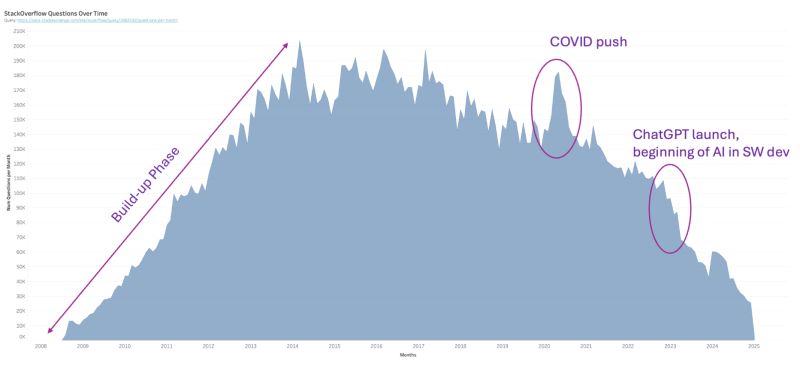
Have you also the feeling that Stack Overflow is dead? 😢 Once the go-to haven for developers like me seeking answers, it’s experiencing a staggering decline. Questions asked per month have plummeted to levels we haven't seen since its launch in 2009.
⤷ Initially, the downward trend began in 2014, coinciding with an increase in moderator efficiency. While that sounds great, it made many developers feel that their legitimate questions were dismissed too quickly. I can personally relate; that shift made me hesitant to engage with the platform.
⤷ Fast forward to 2020, when the pandemic nudged many developers home, sparking short-lived increased activity. By the summer of that same year, questions started to dwindle again, paving the way for AI tools like ChatGPT to swoop in and provide faster, more polite answers.
This decline isn't just about the rise of AI; it’s also indicative of changing developer needs and engagement. Stack Overflow was crucial in demystifying tech queries, creating a collaborative space where human experience outweighed the algorithmic coldness we often find today. There was a unique thrill in receiving that first upvote—a tangible acknowledgment from your peers.
As we see its sun set, one wonders: where do we go from here? Will developers find solace in new platforms such as Discord or Telegram for collaborative learning? Or will our queries dissolve into the vastness of AI-generated responses?
Are developpers getting out of the community exchanging with each other because they are just using AI?
Kind of scary idea to me :/
One thing’s for sure: innovation isn't going anywhere. We are emphasizing a need for human connection even in tech spaces. Let’s keep that spirit alive! What platforms do you foresee taking Stack Overflow's place?
Data Source: https://lnkd.in/e29bQA6W
#TechIndustry #DeveloperCommunity #AI #StackOverflow #Engineering #SoftwareEngineering #GenAI
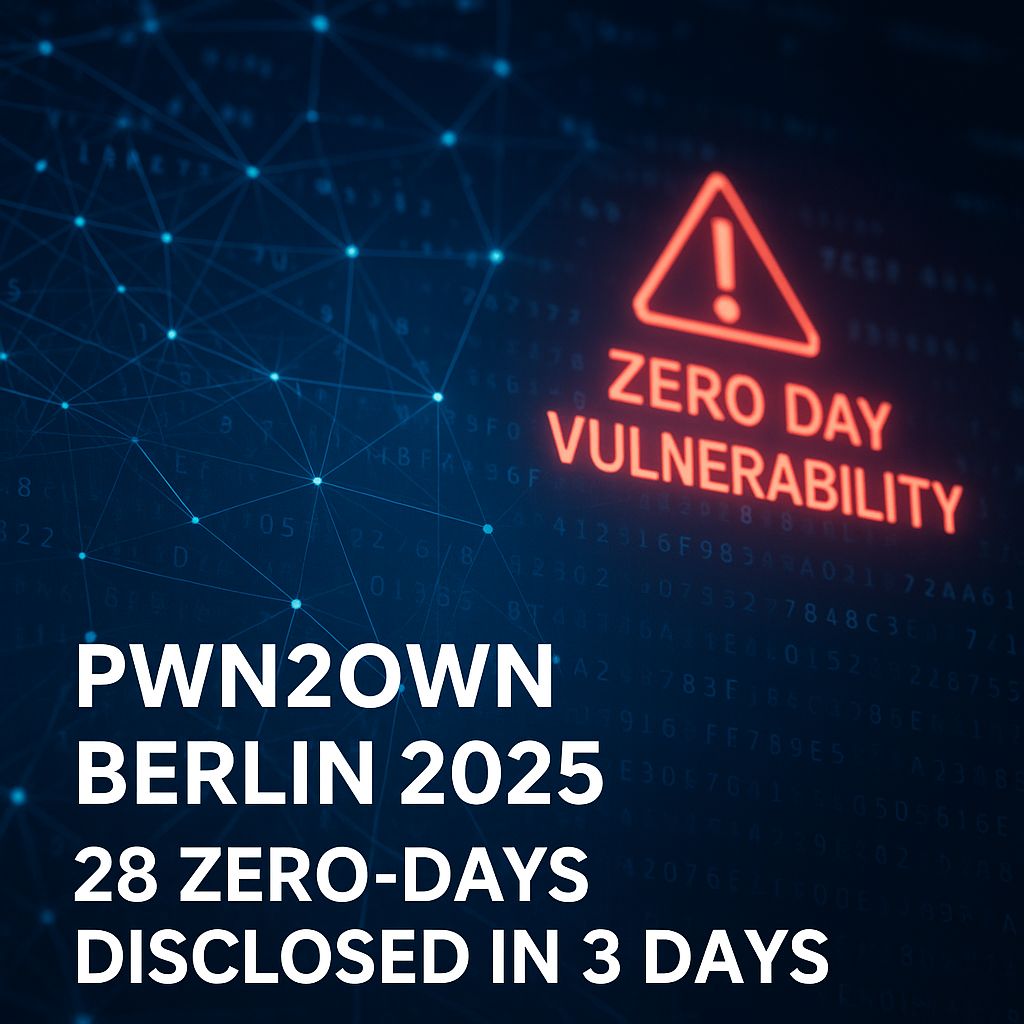
🚨 28 zero-day vulnerabilities uncovered in 72 hours – including 7 in AI systems. This isn’t sci-fi; it’s the real outcome of Pwn2Own Berlin 2025, and it's a wake-up call for TechCos and Telcos.
⤷ Hackers earned $1,078,750 by exposing 28 unique zero-days (seven of them in AI categories). The Singapore-based STAR Labs SG team dominated with 35 Master of Pwn points after a streak of exploits from Linux to VMware ESXi. Viettel Cyber Security (Vietnam) placed second thanks to a SharePoint + VirtualBox exploit combo.
⤷ Even Firefox got cracked – an out-of-bounds write exploit nailed it. Mozilla shipped fixes for those Firefox flaws within days – a rapid response that shows the value of agile security teams.
⤷ Enterprise staples weren’t safe either. A researcher breached VMware’s ESXi hypervisor with a single integer overflow (a first in Pwn2Own history), and Microsoft SharePoint was compromised by chaining an auth bypass with an insecure deserialization.
For TechCo/Telco leaders (especially in Switzerland), the lesson is clear: digital transformation expands your attack surface. From AI infrastructure to virtualized 5G networks, no system is off-limits. 28 zero-days in 3 days is a reality check — cybersecurity leadership must evolve just as fast as innovation.
Is your organization ready to patch and protect at this pace? 🤔
Source: https://lnkd.in/en6miv3F
#ZeroDayThreats #TechCoSecurity #DigitalTransformation #Cybersecurity #AI #Telco #Pwn2Own

What if the next big cybersecurity awareness campaign came in the form of a catchy rap song? 🎤 Enter Prof. Dominik Merli from TH Augsburg, who’s not just an IT security expert but also has a taste for creative outreach! By channeling his inner MC Blackhat, he’s boldly critiquing corporate negligence towards cybersecurity in his music video "Cyber Gangsta's Paradise."
⤷ In his lyrics, he artfully points out the irony of companies prioritizing profits over security measures. With IoT devices becoming ubiquitous, are we truly safeguarding our digital landscapes, or simply inviting chaos?
⤷ Central to his narrative is the EU’s upcoming Cyber Resilience Act. It’s a crucial regulation mandating minimum cybersecurity standards for connected products by December 2027. As technology evolves, so must our defenses!
It’s refreshing to see creativity in cybersecurity advocacy—sometimes, getting people to remember key principles is just as important as implementing the technology itself. After all, “Cybersecurity must get into everyone’s head—by any means necessary!”
It’s a mindset that matters too !
Now to the song (sorry in German): https://lnkd.in/eg9qDmNJ
#CyberSecurity #Innovation #DigitalResilience #IoT #TechEducation #Fun
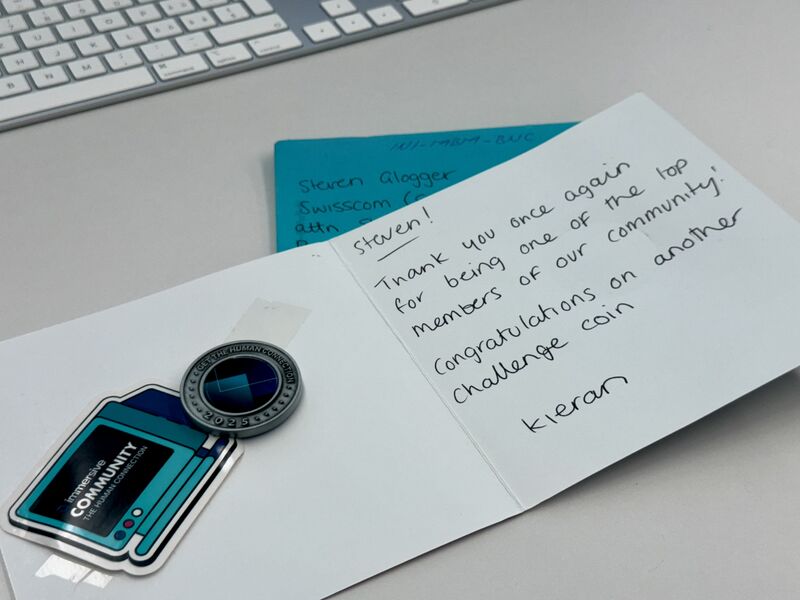
🏅 What a wonderful surprise in today’s inbox! I just unwrapped a thoughtfully handwritten thank-you card and an exclusive Challenge coin from Kieran Rowley —thank you so much, for this personal touch and for believing in my contributions! 💌
#CyberSecurity #HumanConnectionChallenge #ImmersiveLabs #InfosecSkills #CTFCommunity #LearningByDoing #ThankYou
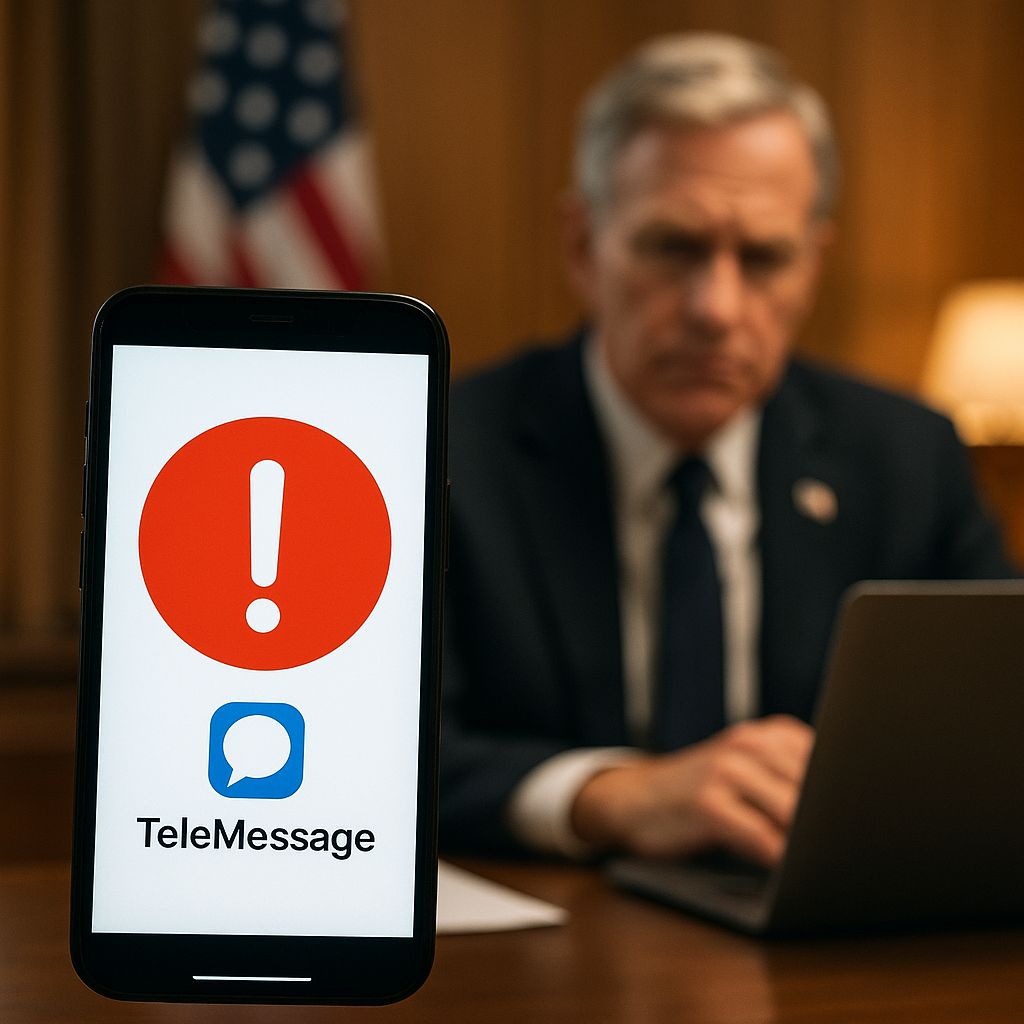
🚨 Major Cybersecurity Breach Alert! 🚨
⤷ Recently, the messaging app TeleMessage, which allows users to route communications from encrypted messengers like Signal, has been taken offline following significant breaches. This raises serious concerns for users, especially those in government and telecom sectors.
⤷ Notably, the app removes essential security features that end-to-end encryption provides, exposing sensitive communications to potential breaches. When news broke of these cyber intrusions, a quick response was initiated to mitigate further risks.
⤷ What’s particularly alarming is that the modified version of this app has been used by high-level officials, revealing critical flaws in how governmental bodies secure their communications. This incident serves as a crucial reminder of the vulnerabilities that can arise when security protocols are bypassed for convenience.
⤷ As experts in tech and telecom, we need to advocate for rigorous cybersecurity measures and ensure that tech transformation, especially in telecoms, does not compromise security. The Swiss telecom industry is evolving, but safeguarding user data must remain a priority!
Stay updated and secure! 💻🔒 #Cybersecurity #Telecom #TechTransformation #DataProtection
Source: https://lnkd.in/eiPd42KX
🔒🚀 Cybersecurity in the Age of AI! Switzerland is at the forefront of tackling the dark side of Artificial Intelligence. 🌍💻 Recent reports from Sophos X-Ops reveal how AI is being misused in cybercrime, making it crucial for companies, especially telcos transitioning into TechCos, to understand these challenges! 📊🤖 Let’s embrace AI responsibly to protect our digital landscape! #Cybersecurity #AI #TechTransformation
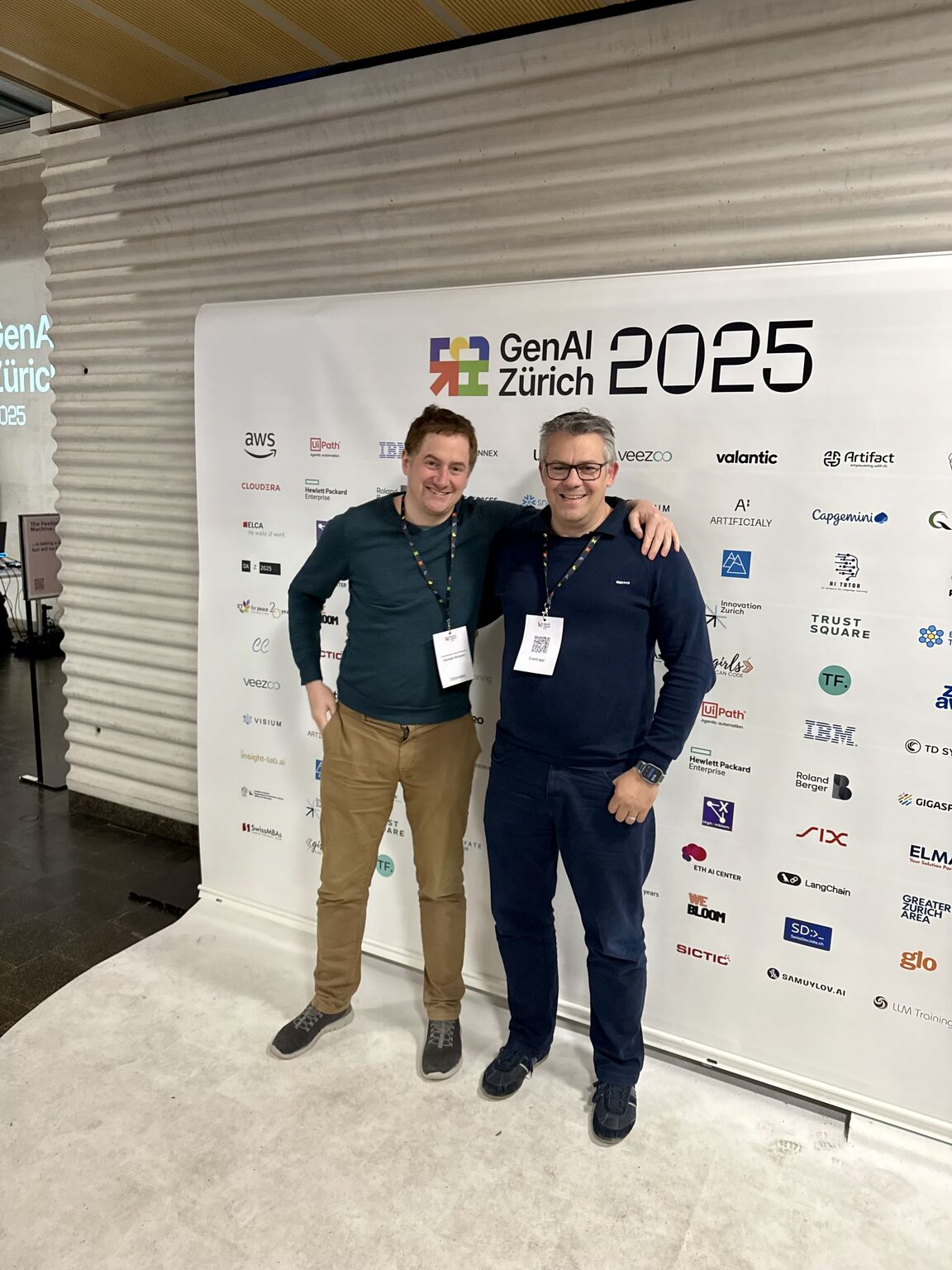
🚀 GenAI Zürich 2025 – An AI Marathon of Highlights! 🤖
Yesterday, over 1,000 AI enthusiasts gathered at Technopark Zürich for GenAI Zürich 2025. With more than 80 sessions featuring over 100 speakers, it truly was the AI marathon of the year!
✨ My Personal Highlights:
🧠 Reasoning & Agency (Leandro von Werra, Hugging Face) Impressive demonstration of autonomous AI agents solving complex tasks, despite some current limitations.
🎭 Friendly Fire at the Shrink (Manuel Flurin Hendry) An entertaining yet slightly unsettling mix of AI and theater, highlighting how easily AI can deceive us.
⚛️ Quantum Computing & AI (Jan Mikolon, QuantumBasel) Quantum technology could revolutionize AI, providing faster, more powerful capabilities, and significant competitive advantages.
🛠️ The Generative AI Mindset (Ralf-Dieter Wagner, AWS) Successful AI projects require the right mindset: data-centric, disciplined, and early AI adoption.
📌 Trends & Insights:
🤖 Agentic AI as a major theme: AI systems are increasingly autonomous and multimodal.
🌐 Data sovereignty as a critical success factor: Keeping control over models and data is essential.
🧑💻 Human factors are decisive: Technology alone is not enough—culture and change leadership make the difference.
🔍 Critical Perspective: Short sessions (<20 mins) sometimes lacked depth. More time for extensive Q&A would have been beneficial.
💡 Conclusion: 2025 is shaping up to be the year of AI agents and quantum computing. Yet, without data sovereignty and the right mindset, significant potential remains untapped. Let's stay curious, critical, and actively shape the AI revolution! 🌟
#GenAIZurich2025 #GenerativeAI #QuantumComputing #DataSovereignty #ChangeLeadership #AI #Innovation #Zurich #GenAIZurich #GenAI
During that CTF I learend a lot about OSINT.
I’m happy to share that I’ve obtained a new certification: Finisher Badge - Santa Claus CTF from Canvas Credentials (Badgr)!

It's a cool position within one of our teams. Be part of our transformation and technical evolution 🙂
Starte mit uns durch und entwickle das Backend für Enterprise-Telefonie-Systeme mit modernstem Tech-Stack. 🚀
Yep, I was part of it, and I had the chance to share my experiences! Building a healthy #FailureCulture is not just important; it’s essential.
Open conversations about mistakes and learning from each other foster trust and make us all better.
On October 24, 2024, we held the third edition of Swisscom's FuckUp Nights in Zurich. Thanks to an engaged audience that created a supportive atmosphere, me and two colleagues openly shared their experiences, the aftermath, and the lessons they learned.
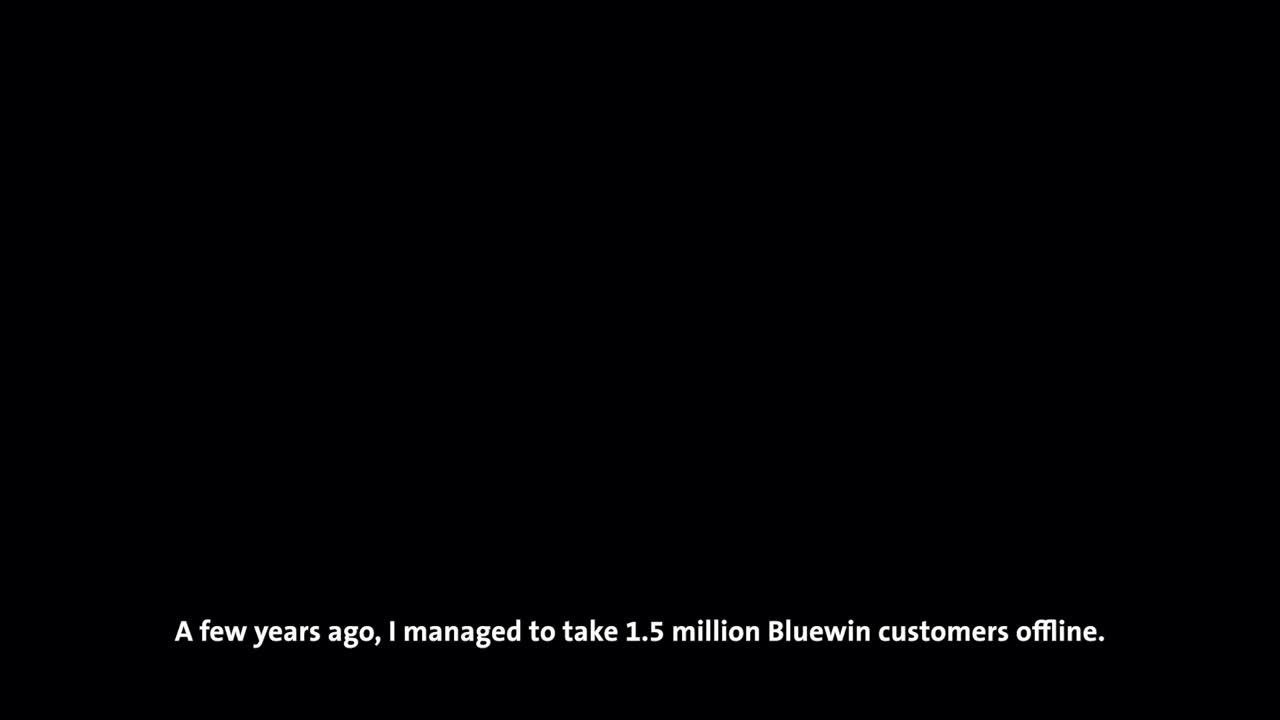
My story was "The Day I killed the Internet" – a defining example that shaped our culture in Swisscom profoundly:
About 10–12 years ago, I accidentally took down the internet for 1.5 million customers for around 15 minutes, quickly becoming headline news and leading to a serious conversation with my management. But this moment was pivotal – it laid the groundwork for a stronger culture of learning from mistakes and established critical change management practices at Swisscom.
What did we learn from this?
* Failure Culture and Openness: We openly discuss mistakes and learn from them instead of assigning blame. This approach is essential for organizational growth.
* Stricter Change Management Rules: Through practices like the four-eyes principle and phased implementations, we’ve greatly reduced the risk of similar incidents.
* Defensive Planning in Change Management: Careful planning and rigorous checks are crucial to ensuring that changes function as intended without unexpected issues.
It takes courage to talk about mistakes – and it takes a culture that encourages this kind of learning. I’m proud to be part of this ongoing journey at Swisscom.
#FailureCulture #ChangeManagement #LearningFromFailure #LeadershipDevelopment #LessonsLearned #FuckUpNight #CorporateCulture #Learn #Swisscom #Culture
Three times as much courage, three times as much learning - and three times as much solidarity! At the third Swisscom FuckUp Night, our colleagues once again impressively demonstrated how important it is to talk openly about mistakes and learn from them.
From practical insights to real ‘aha’ moments: The experiences shared by our speakers are a valuable reminder that failure is part of growth. A highlight of this round? Klementina, our CPO, shared her own experiences and learnings with us, showing that management is also fully behind our culture of open exchange.
Thanks to everyone who took part and made the evening an inspiring learning experience.
Would you also like to be part of a culture that sees mistakes as opportunities to grow together? Discover your opportunities at Swisscom: https://lnkd.in/eDX-djQc
#Swisscom #Learning #Development #Culture #Fuckup #JoinSwisscom